Can a Free IT Training Program Actually Help You Get a Job in Tech?
Many people searching for free IT training programs aren’t actually looking for training.
They’re looking for something much more important: a path to a better job.
Maybe you’re working in retail, hospitality, food service, customer support, healthcare support, warehousing, or another field where opportunities for advancement feel limited. Maybe you’ve considered college but can’t justify the time or cost. Maybe you’ve looked at tech careers and wondered whether there’s a realistic way to break in without spending thousands of dollars.
That’s why searches for free IT training continue to grow. But the real question isn’t whether a program is free.
The real question is: Will this program help me build a career?

The good news is that free tech training can absolutely create new opportunities. Many people have successfully transitioned into technology careers through tuition-free programs.
At ActivateWork, that includes learners who previously worked in customer service, hospitality, caregiving, administrative support, and other fields before launching their first careers in tech. Their stories are a reminder that career transitions are possible, even without a traditional technical background.
The challenge is that not all training programs are designed the same way.
Some teach technical skills and stop there. Others combine training with coaching, professional development, employer relationships, and long-term support.
Those differences matter.
If your goal is employment, here’s how to evaluate whether a free IT training program is likely to help you get there.
Why Free Training Isn't the Whole Story
One of the most common misconceptions about career transitions into tech is that learning technical skills alone is enough to get hired.
Technical knowledge is important. Employers expect candidates to understand the tools, systems, and concepts relevant to the role.
But hiring managers also look for things like:
- Communication skills
- Professionalism
- Problem-solving ability
- Adaptability
- Teamwork
- Reliability
- Growth mindset
For career changers, these qualities are often just as important as technical knowledge.
Think about it this way: if two people earn the same certification, but one person also knows how to interview well, communicate clearly, network professionally, and present their previous experience in a way that resonates with employers, who is more likely to get the job?
The answer is usually obvious.
That’s why evaluating a program based only on tuition cost can be misleading.
Free is helpful. But free alone doesn’t create career mobility.
The strongest programs focus on helping learners move from training to employment, not simply from enrollment to graduation.
What Actually Helps People Get Hired: 6 Factors for Career Transition Success
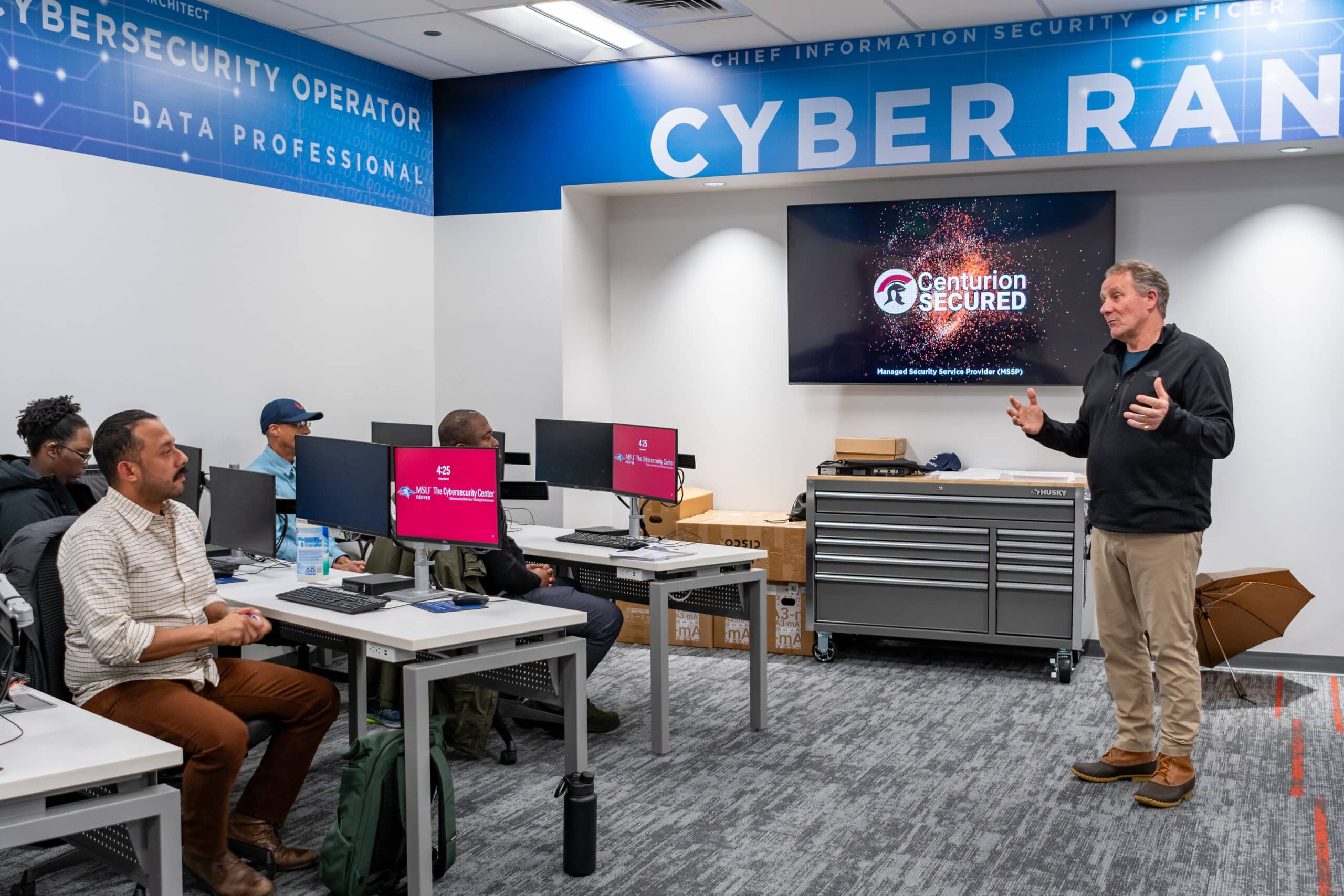
When evaluating any free tech training program, there are six areas that deserve particular attention. Use these six career-launch factors to compare programs and identify the support you may need.
Over the years, we’ve seen learners succeed from a wide range of backgrounds, including hospitality, retail, caregiving, military service, and customer support. While every learner’s journey is different, these six factors consistently show up in programs designed to help people move from training to employment.
1. Industry-Aligned Technical Training
The first question is whether the training reflects current employer demand.
Technology changes quickly. A curriculum that was relevant several years ago may not reflect today’s hiring market.
Look for programs that:
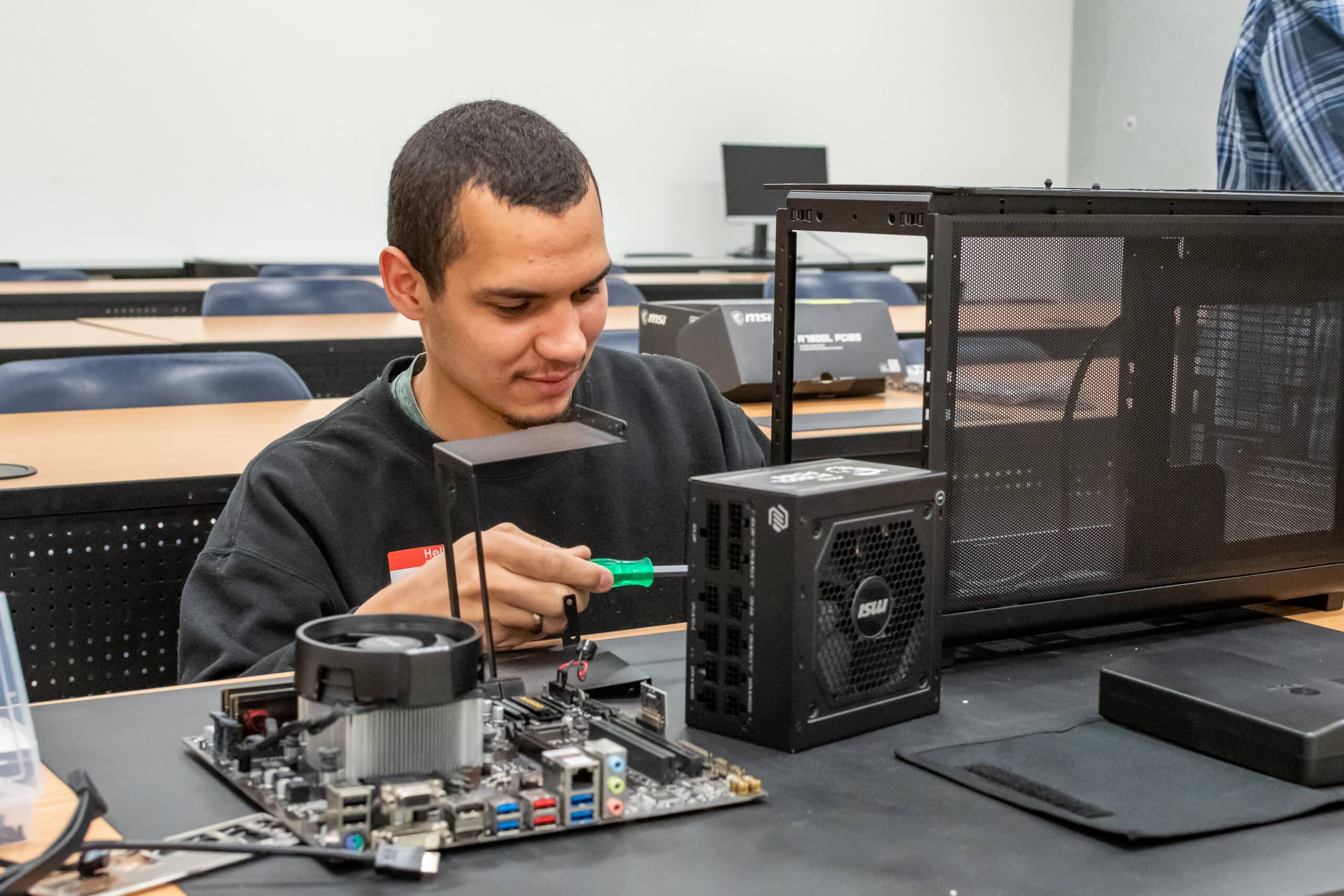
- Teach skills employers currently use
- Include hands-on learning opportunities
- Prepare learners for industry-recognized certifications
- Regularly update curriculum based on workforce needs
The goal isn’t simply learning technology—it’s learning technology that employers actually hire for.
2. Professional Skills Development
Many career changers underestimate the importance of professional skills (sometimes called “soft skills” or “durable skills”).
Employers consistently look for candidates who can:
- Communicate effectively
- Collaborate with teammates
- Receive feedback
- Manage their time
- Solve problems independently
- Continue to grow and develop their skills over time
Someone entering technology from customer service, hospitality, healthcare, or retail often already possesses many of these strengths.
A strong program helps learners recognize and translate those existing skills into a technology career context.
Professional development shouldn’t be treated as an afterthought; it should be part of the curriculum.
This emphasis reflects a broader trend in hiring. Many employers now place significant value on communication, critical thinking, adaptability, and problem-solving alongside technical skills, particularly as technology and workplace tools continue to evolve.

3. Career Coaching
Job searches can be overwhelming, especially when you’re entering a new industry.
Career coaching helps learners navigate questions such as:
- Which roles should I apply for?
- How do I explain my career change?
- How do I position my previous experience?
- How can I build and sustain confidence during the job search?
A coach can provide accountability, guidance, encouragement, and practical advice throughout the process.
The most effective programs understand that career transitions aren’t just technical challenges; they’re personal and professional transitions as well.
4. Interview Preparation
Many qualified candidates struggle because they haven’t practiced interviewing.
Interview preparation can include:
- Mock interviews
- Technical interview practice
- Behavioral interview coaching
- Feedback from industry professionals
- Storytelling and communication techniques
Interviewing is a skill. Like any skill, it improves with practice.
Programs that include structured interview preparation often give learners a significant advantage once they begin applying for jobs.

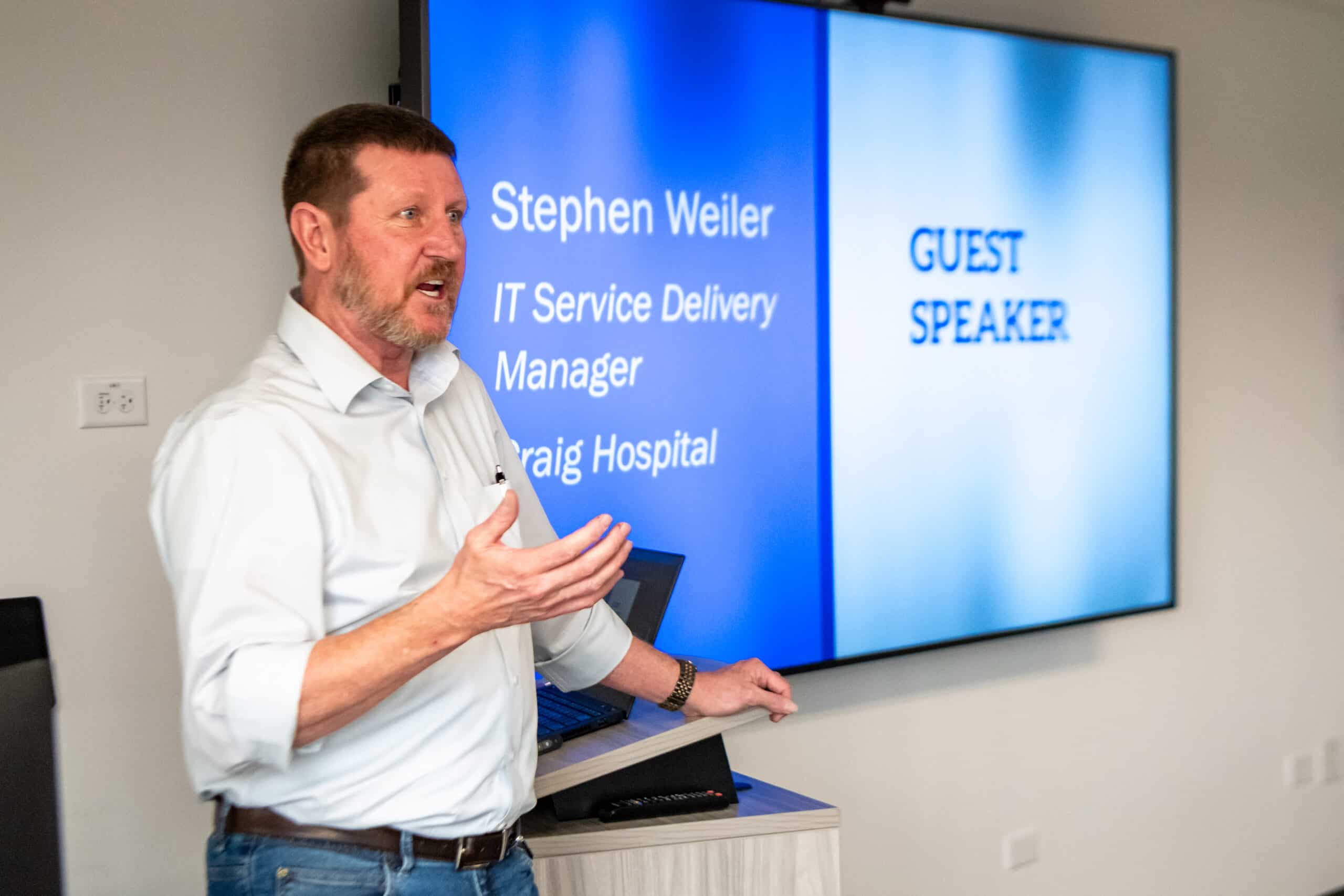
5. Employer Connections and Hiring Relationships
This is one of the most important factors prospective learners should evaluate.
A program may offer excellent training, but if it has no connection to employers, learners may face a much steeper job search.
Ask whether a program:
- Hosts employer events
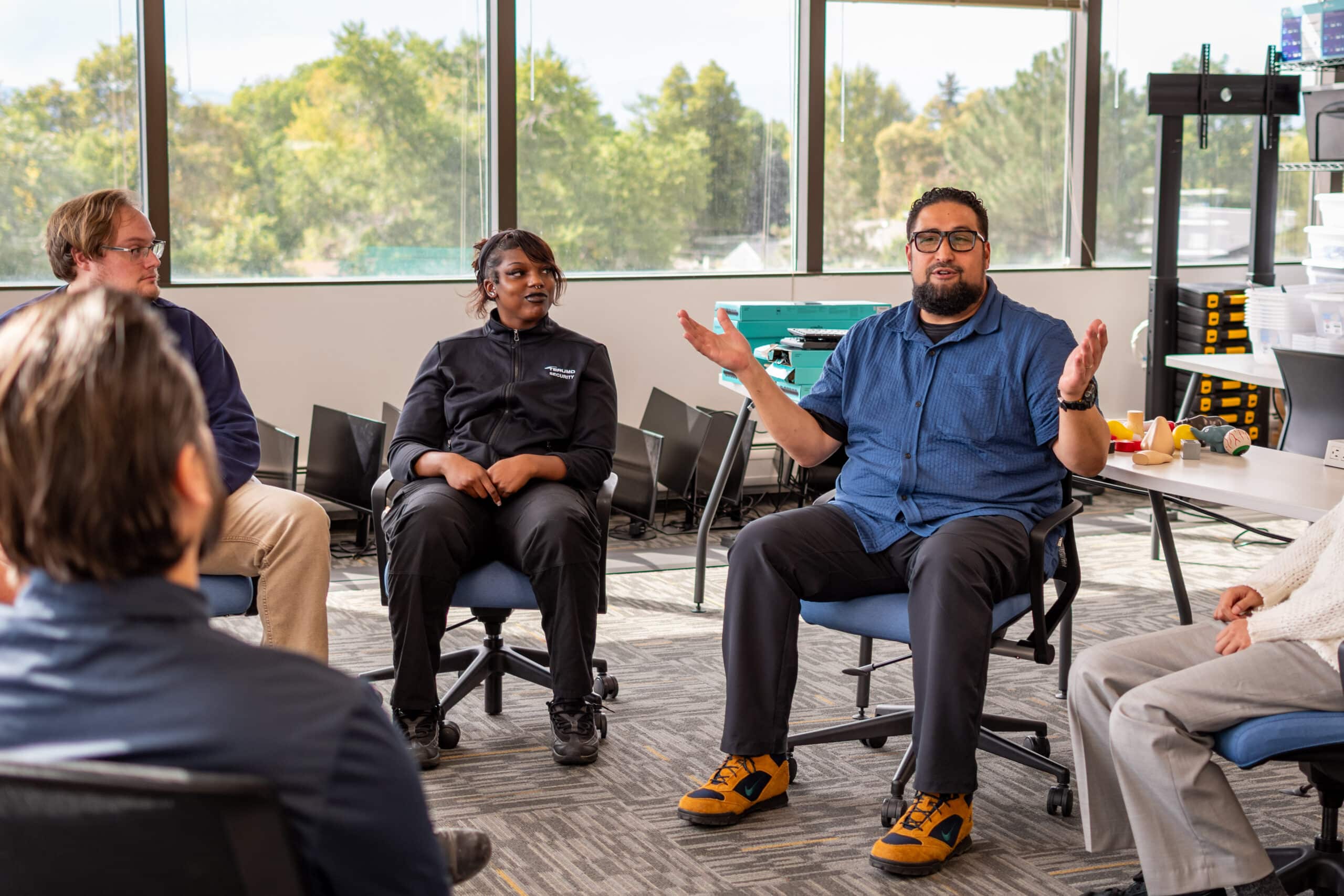
- Brings hiring managers into classrooms
- Facilitates networking opportunities
- Connects graduates directly with employers
- Maintains active relationships with hiring companies
One challenge many first-time tech job seekers face isn’t a lack of ability; it’s a lack of a professional network. Employer relationships do not guarantee a job, but employer events, industry conversations, and introductions can help learners better understand what employers are looking for and how to navigate the hiring process.
Employer engagement can provide access to hiring information, networking opportunities, and introductions that technical training alone may not provide.
6. Ongoing Support After Training
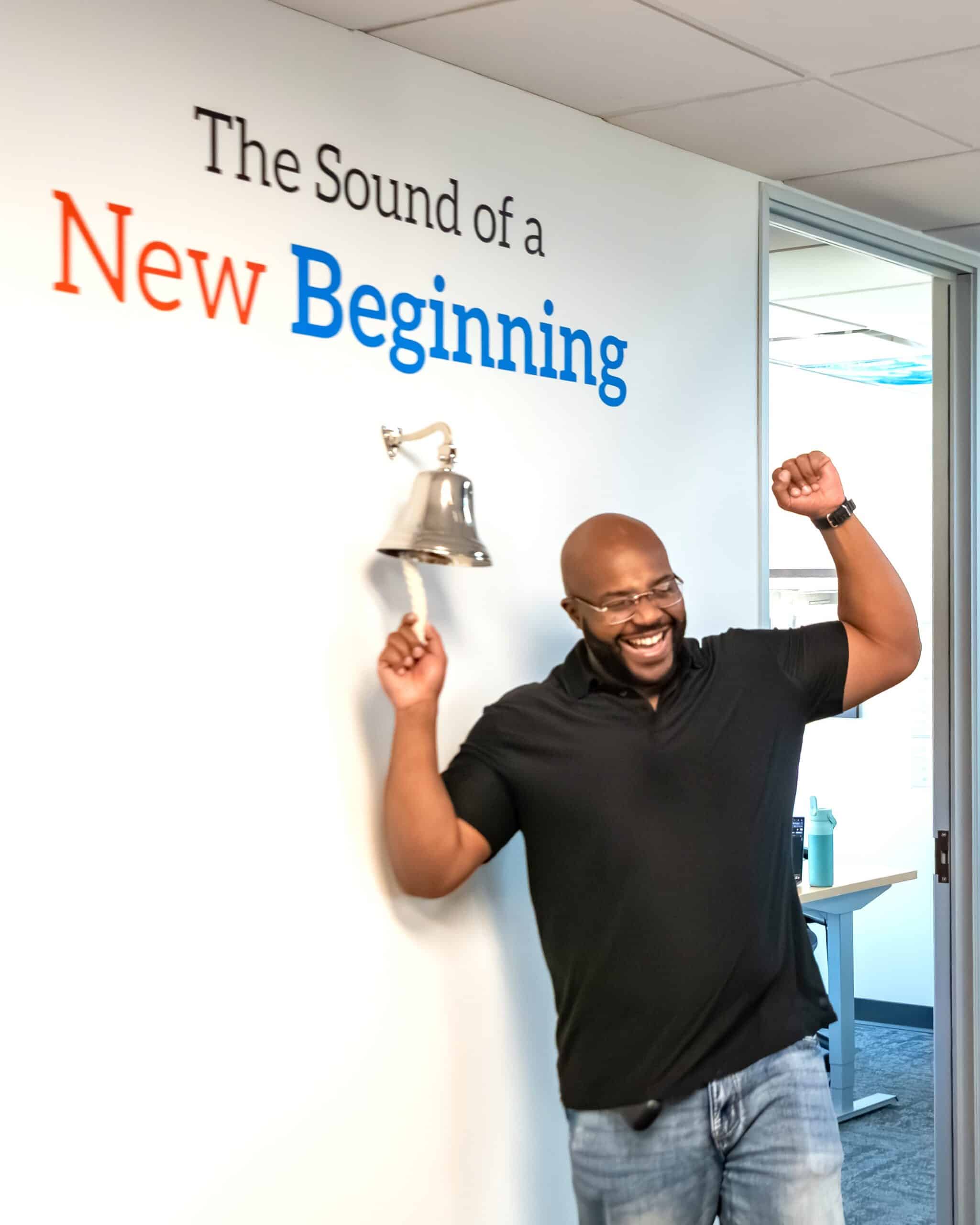
Graduation is not the finish line. For many learners, it’s the beginning of the job search.
That’s why post-training support is often overlooked but incredibly valuable.
Support might include:
- Continued career coaching
- Job search guidance
- Alumni networking opportunities
- Upskilling opportunities
- Professional development resources
Continued coaching, accountability, and professional support can help learners navigate the challenges that often arise during the job search process, employment onboarding, and early-career inflection points.
The strongest programs view learner success as a long-term outcome rather than a short-term milestone.

Real-World Outcomes Matter
Programs that openly measure and report outcomes often demonstrate a stronger commitment to continuous improvement and learner success.
And while employment outcomes like job attainment rates and wage gains are important, they aren’t the only measure that matters. Consider whether graduates report meaningful changes in their careers, financial stability, professional confidence, or quality of life. Strong programs should be able to share both outcome data and learner stories that illustrate those impacts.
Securing a great job can be a measure of success in itself, but for many people, it’s what a great job makes possible that really matters: things like buying your first home, growing your family in a way that feels supported, or setting an example for your children of what’s possible with hard work and perseverance.
Questions to Ask Before You Enroll in Any Free IT Training Program
No matter which provider you’re considering, use the following checklist before you apply.
Program Evaluation Checklist
Outcomes & Results
- What percentage of learners complete the program?
- What percentage earn certifications?
- What employment outcomes does the program track?
- How does the organization define success?
Curriculum
- What technical skills will I learn?
- Which certifications are included?
- Is the curriculum aligned with current employer demand?
- Are there hands-on projects or real-world exercises?
Career Services
- Does the program offer career coaching?
- Are resumes and LinkedIn profiles reviewed?
- Are mock interviews provided?
- Is there support during the job search?
Employer Engagement
- Does the program have relationships with employers?
- Are employers involved in any part of the training experience?
- Are networking opportunities available?
- How are graduates introduced to hiring organizations?
Ongoing Support
- What happens after graduation?
- Is post-program coaching available?
- Are alumni resources offered?
- Are there opportunities for continued learning?
When a program can answer these questions clearly and confidently, that’s often a positive sign.

What Career Changers Should Focus on Instead of Finding the "Perfect" Program
It’s easy to spend months researching every possible training option.
But many successful career changers eventually realize something important: There is no perfect program.
The most successful learners are usually not the people who spend the longest searching; they’re the people who commit to the process.
Regardless of the program you choose, focus on developing:
Consistency
Showing up every day matters.
Small actions performed consistently lead to meaningful progress over time.
Curiosity
Technology changes constantly, and the pace of change is only accelerating, so the ability to keep learning is often more valuable than any single technical skill.
Resilience
Career transitions can be challenging.
Job searches sometimes take longer than expected.
Persistence matters.
Confidence in Your Existing Experience
Many career changers believe they’re starting from zero.
They’re not.
Customer service, retail, healthcare, hospitality, logistics, military service, education, and countless other fields build valuable skills that employers need.
The goal is often learning how to connect those experiences to a new career path.
Willingness to Learn
Technology rewards people who continue growing.
The best learners don’t try to know everything before they begin.
They start learning and build momentum over time.

Final Thoughts
So, can a free IT training program actually help you get a job in tech?
Yes, but free tuition alone does not drive employment outcomes.
The programs most likely to help learners launch technology careers combine technical instruction with professional skills development, career coaching, interview preparation, employer relationships, and ongoing support.
That’s the difference between a training program and a career pathway.
As you explore your options, use the six career-launch factors to evaluate each opportunity carefully. Ask questions. Compare support services. Look beyond tuition costs.
Most importantly, remember that a career transition is possible even if you don’t have a college degree, a technical background, or the resources for traditional education.
The right combination of training, support, and persistence can create opportunities that may have once felt out of reach.
Ready to take the next step?
If you’re exploring a technology career in Colorado, learn more about ActivateWork’s programs, eligibility requirements, training expectations, certifications, and career support. Compare those details with the checklist above to decide whether the program fits your goals and circumstances.
Learn More
Learn more about the courses we offer, explore our comprehensive learner support system, or start your application today!