Important Notice Regarding a Fraudulent CRO Job Posting on LinkedIn
We recently became aware of a fraudulent Chief Revenue Officer (CRO) job posting on LinkedIn that appeared to be associated with ActivateWork. The CRO position was not a legitimate ActivateWork employment opportunity, and communications associated with that posting were not authorized by ActivateWork.
At this time, we have no indication that ActivateWork’s website, internal systems, email environment, or applicant data were compromised in connection with this incident. We are working with LinkedIn to investigate and address the matter.
Individuals who interacted with the fraudulent posting may have received interview invitations, meeting requests, links, or other communications that did not originate from ActivateWork.
If you applied for or were contacted regarding the CRO posting, please do not click on links, download files, or accept meeting invitations associated with the posting unless you have independently verified the source.
If you previously clicked a link or downloaded a file associated with the fraudulent posting, we encourage you to take appropriate steps to secure the accounts or devices involved.
If you applied for or were contacted regarding the CRO posting and have questions, please contact us at pr@activatework.org.
Protecting the trust and safety of our community is extremely important to us. We appreciate your patience and understanding as we work through this matter.


Free Tech Training and Job Placement: What Prospective Learners Should Know
Can a Free IT Training Program Actually Help You Get a Job in Tech?
Many people searching for free IT training programs aren’t actually looking for training.
They’re looking for something much more important: a path to a better job.
Maybe you’re working in retail, hospitality, food service, customer support, healthcare support, warehousing, or another field where opportunities for advancement feel limited. Maybe you’ve considered college but can’t justify the time or cost. Maybe you’ve looked at tech careers and wondered whether there’s a realistic way to break in without spending thousands of dollars.
That’s why searches for free IT training continue to grow. But the real question isn’t whether a program is free.
The real question is: Will this program help me build a career?
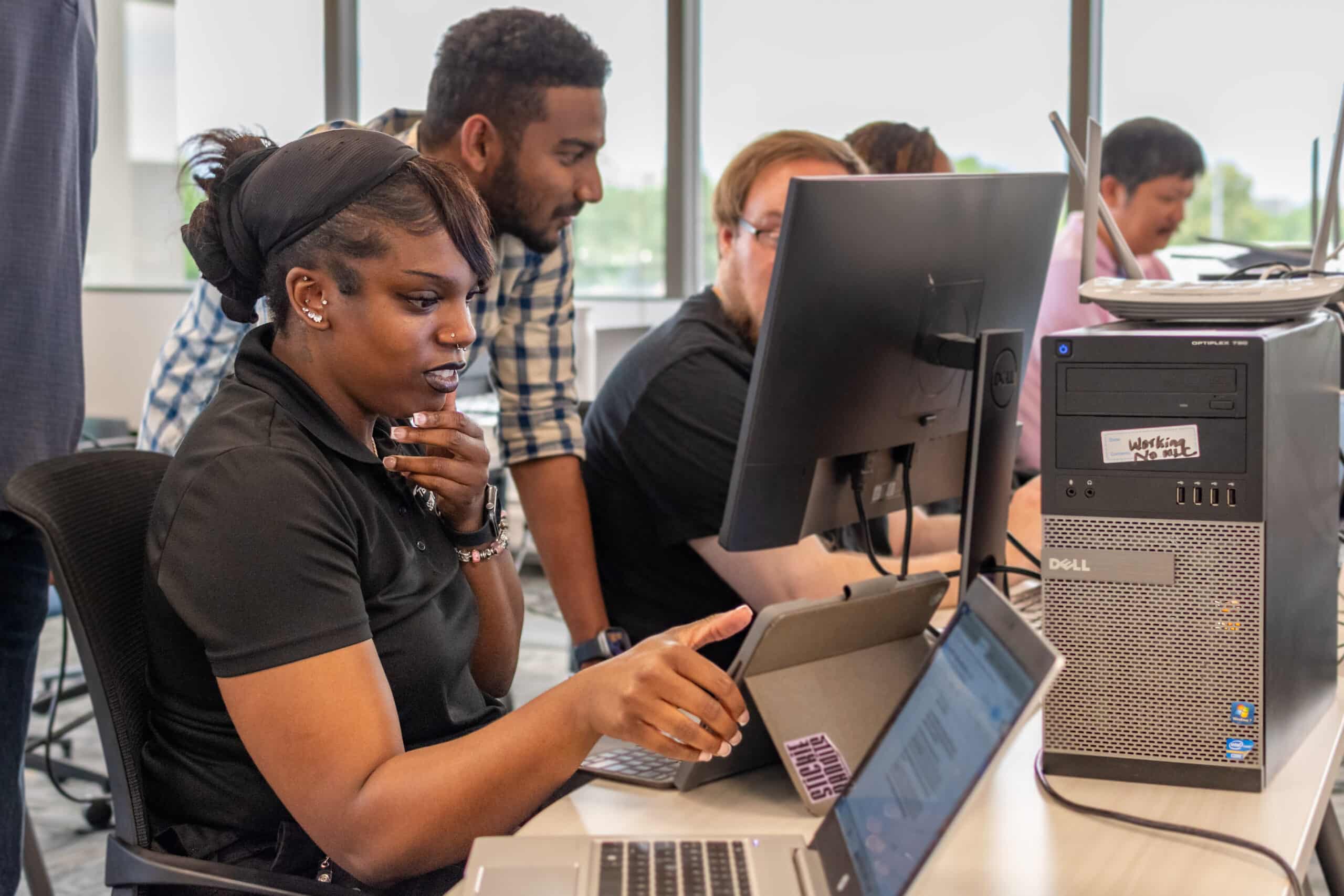
The good news is that free tech training can absolutely create new opportunities. Many people have successfully transitioned into technology careers through tuition-free programs.
At ActivateWork, that includes learners who previously worked in customer service, hospitality, caregiving, administrative support, and other fields before launching their first careers in tech. Their stories are a reminder that career transitions are possible, even without a traditional technical background.
The challenge is that not all training programs are designed the same way.
Some teach technical skills and stop there. Others combine training with coaching, professional development, employer relationships, and long-term support.
Those differences matter.
If your goal is employment, here’s how to evaluate whether a free IT training program is likely to help you get there.
Why Free Training Isn't the Whole Story
One of the most common misconceptions about career transitions into tech is that learning technical skills alone is enough to get hired.
Technical knowledge is important. Employers expect candidates to understand the tools, systems, and concepts relevant to the role.
But hiring managers also look for things like:
- Communication skills
- Professionalism
- Problem-solving ability
- Adaptability
- Teamwork
- Reliability
- Growth mindset
For career changers, these qualities are often just as important as technical knowledge.
Think about it this way: if two people earn the same certification, but one person also knows how to interview well, communicate clearly, network professionally, and present their previous experience in a way that resonates with employers, who is more likely to get the job?
The answer is usually obvious.
That’s why evaluating a program based only on tuition cost can be misleading.
Free is helpful. But free alone doesn’t create career mobility.
The strongest programs focus on helping learners move from training to employment, not simply from enrollment to graduation.
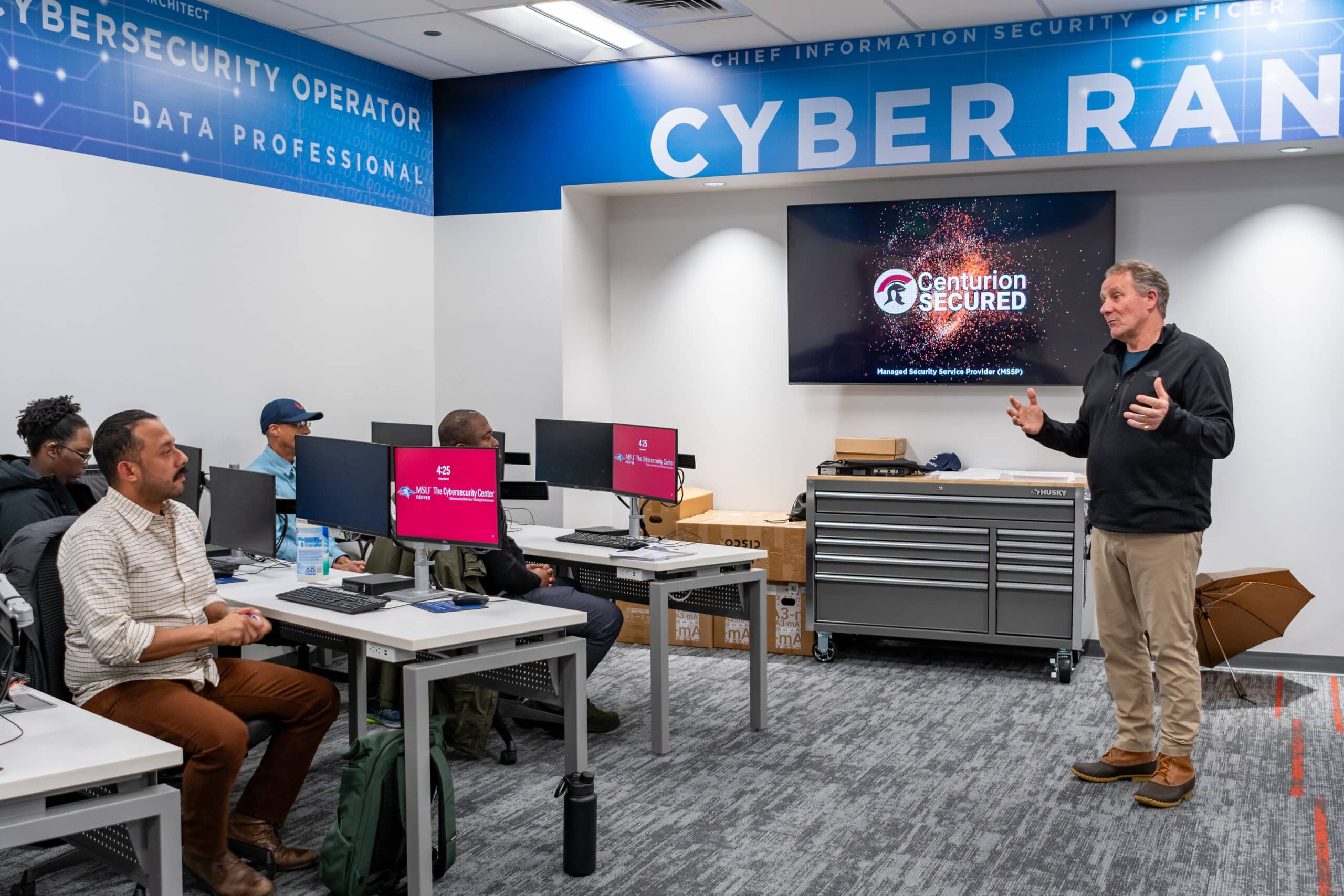
What Actually Helps People Get Hired: 6 Factors for Career Transition Success
When evaluating any free tech training program, there are six areas that deserve particular attention. Use these six career-launch factors to compare programs and identify the support you may need.
Over the years, we’ve seen learners succeed from a wide range of backgrounds, including hospitality, retail, caregiving, military service, and customer support. While every learner’s journey is different, these six factors consistently show up in programs designed to help people move from training to employment.
1. Industry-Aligned Technical Training
The first question is whether the training reflects current employer demand.
Technology changes quickly. A curriculum that was relevant several years ago may not reflect today’s hiring market.
Look for programs that:
- Teach skills employers currently use
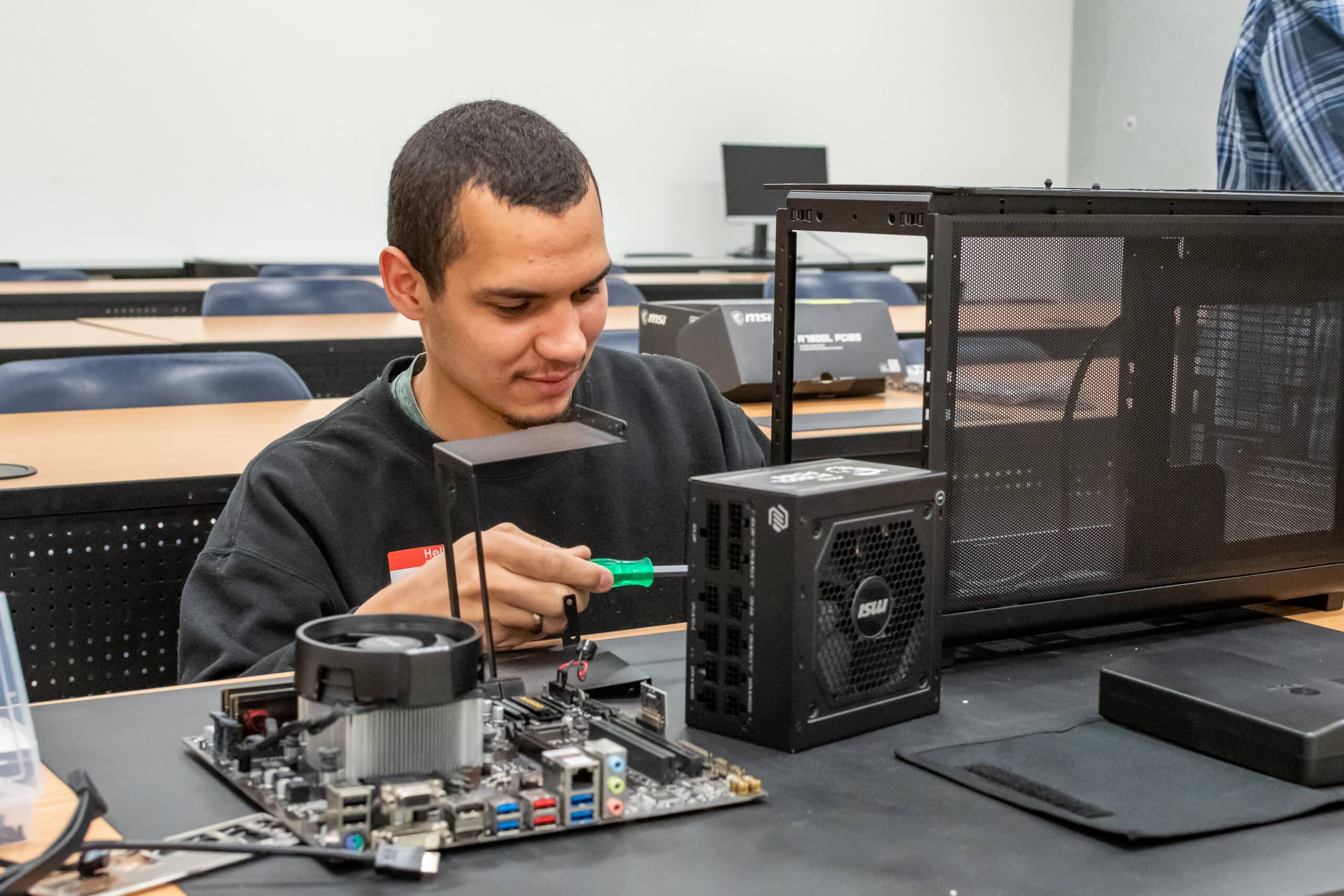
- Include hands-on learning opportunities
- Prepare learners for industry-recognized certifications
- Regularly update curriculum based on workforce needs
The goal isn’t simply learning technology—it’s learning technology that employers actually hire for.
2. Professional Skills Development
Many career changers underestimate the importance of professional skills (sometimes called “soft skills” or “durable skills”).
Employers consistently look for candidates who can:
- Communicate effectively
- Collaborate with teammates
- Receive feedback
- Manage their time
- Solve problems independently
- Continue to grow and develop their skills over time
Someone entering technology from customer service, hospitality, healthcare, or retail often already possesses many of these strengths.
A strong program helps learners recognize and translate those existing skills into a technology career context.
Professional development shouldn’t be treated as an afterthought; it should be part of the curriculum.
This emphasis reflects a broader trend in hiring. Many employers now place significant value on communication, critical thinking, adaptability, and problem-solving alongside technical skills, particularly as technology and workplace tools continue to evolve.

3. Career Coaching
Job searches can be overwhelming, especially when you’re entering a new industry.
Career coaching helps learners navigate questions such as:
- Which roles should I apply for?
- How do I explain my career change?
- How do I position my previous experience?
- How can I build and sustain confidence during the job search?
A coach can provide accountability, guidance, encouragement, and practical advice throughout the process.
The most effective programs understand that career transitions aren’t just technical challenges; they’re personal and professional transitions as well.
4. Interview Preparation
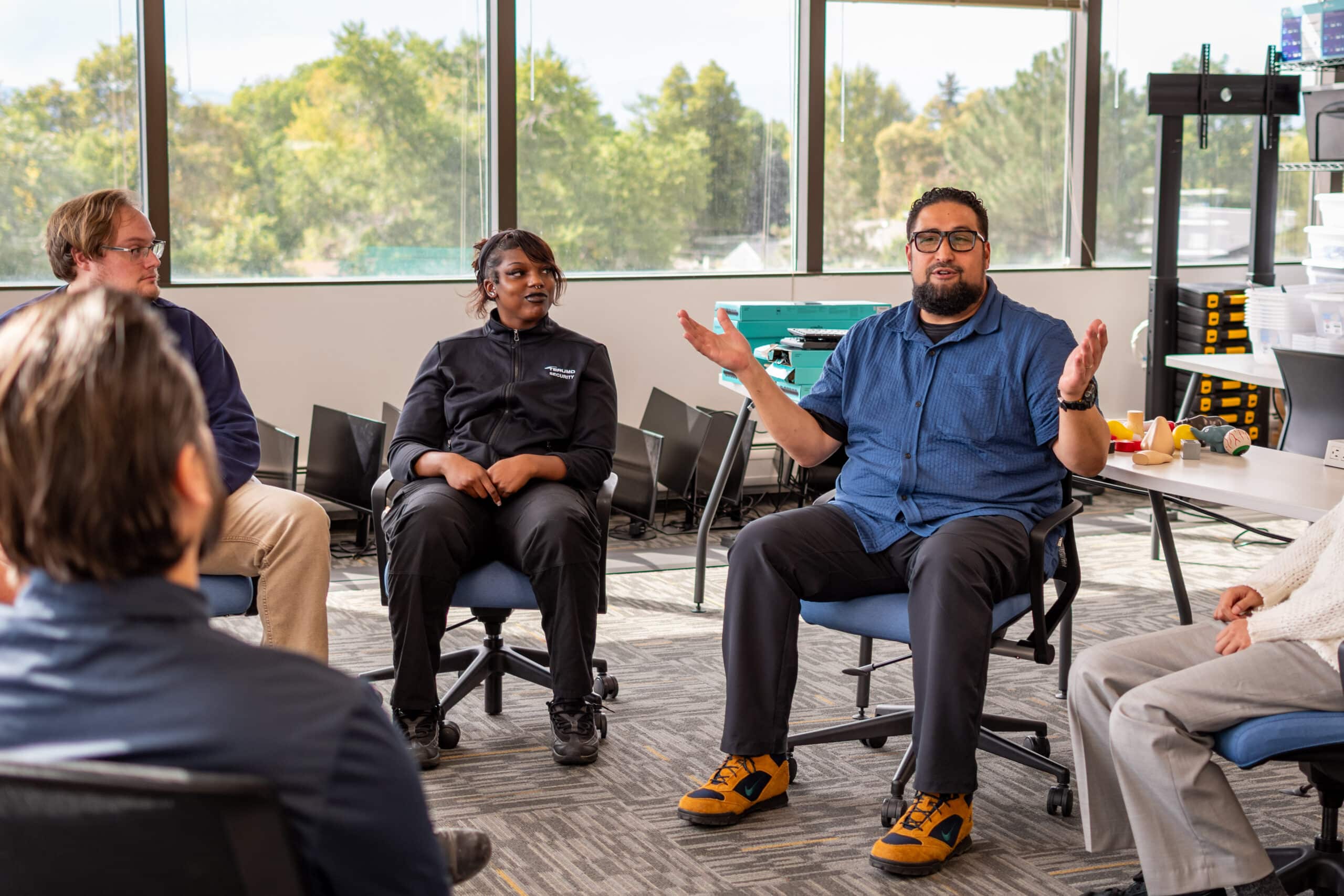
Many qualified candidates struggle because they haven’t practiced interviewing.
Interview preparation can include:
- Mock interviews
- Technical interview practice
- Behavioral interview coaching
- Feedback from industry professionals
- Storytelling and communication techniques
Interviewing is a skill. Like any skill, it improves with practice.
Programs that include structured interview preparation often give learners a significant advantage once they begin applying for jobs.

5. Employer Connections and Hiring Relationships
This is one of the most important factors prospective learners should evaluate.
A program may offer excellent training, but if it has no connection to employers, learners may face a much steeper job search.
Ask whether a program:
- Hosts employer events
- Brings hiring managers into classrooms
- Facilitates networking opportunities
- Connects graduates directly with employers
- Maintains active relationships with hiring companies
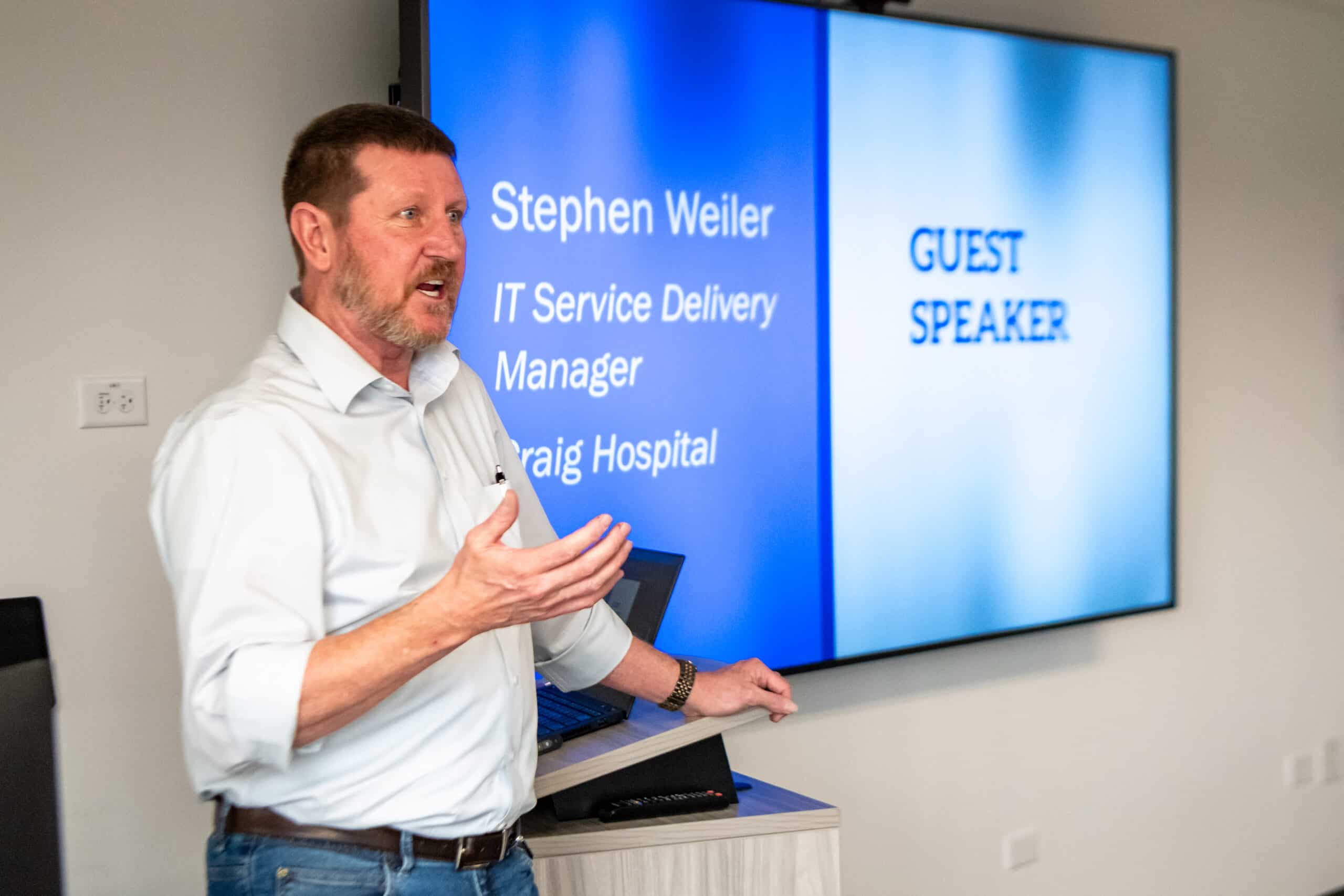
One challenge many first-time tech job seekers face isn’t a lack of ability; it’s a lack of a professional network. Employer relationships do not guarantee a job, but employer events, industry conversations, and introductions can help learners better understand what employers are looking for and how to navigate the hiring process.
Employer engagement can provide access to hiring information, networking opportunities, and introductions that technical training alone may not provide.
6. Ongoing Support After Training
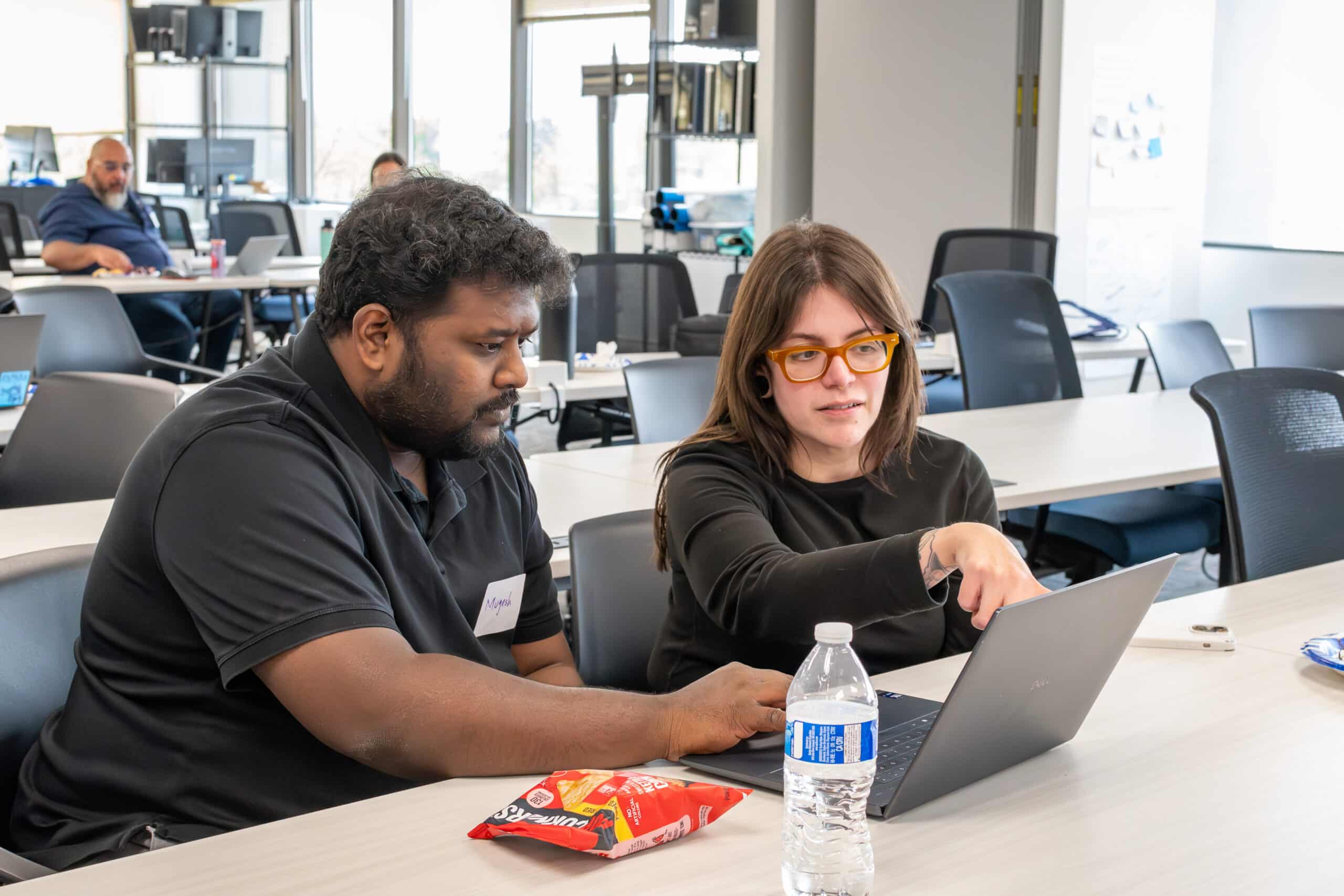
Graduation is not the finish line. For many learners, it’s the beginning of the job search.
That’s why post-training support is often overlooked but incredibly valuable.
Support might include:
- Continued career coaching
- Job search guidance
- Alumni networking opportunities
- Upskilling opportunities
- Professional development resources
Continued coaching, accountability, and professional support can help learners navigate the challenges that often arise during the job search process, employment onboarding, and early-career inflection points.
The strongest programs view learner success as a long-term outcome rather than a short-term milestone.
Real-World Outcomes Matter
Programs that openly measure and report outcomes often demonstrate a stronger commitment to continuous improvement and learner success.
And while employment outcomes like job attainment rates and wage gains are important, they aren’t the only measure that matters. Consider whether graduates report meaningful changes in their careers, financial stability, professional confidence, or quality of life. Strong programs should be able to share both outcome data and learner stories that illustrate those impacts.
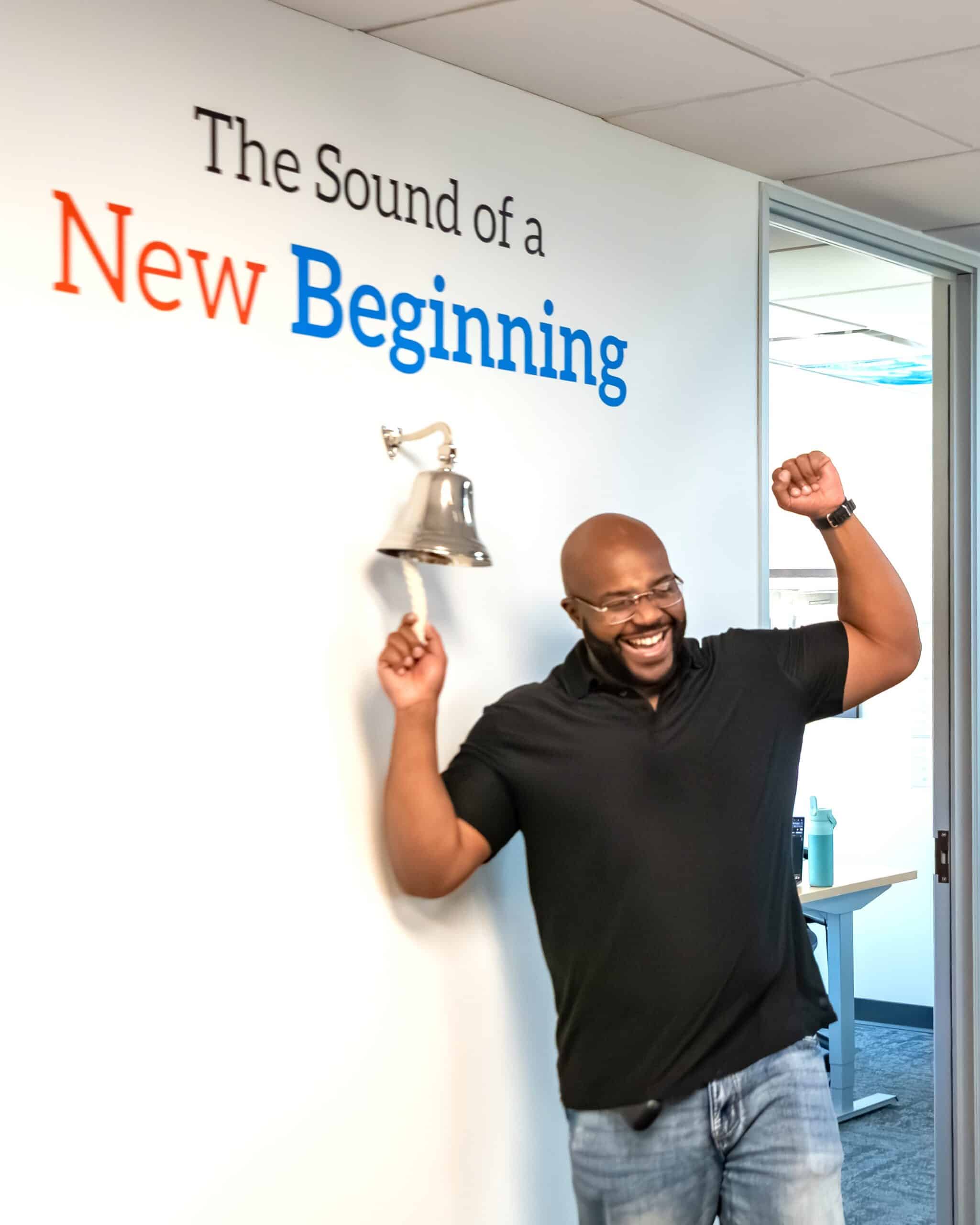
Securing a great job can be a measure of success in itself, but for many people, it’s what a great job makes possible that really matters: things like buying your first home, growing your family in a way that feels supported, or setting an example for your children of what’s possible with hard work and perseverance.
Questions to Ask Before You Enroll in Any Free IT Training Program
No matter which provider you’re considering, use the following checklist before you apply.
Program Evaluation Checklist
Outcomes & Results
- What percentage of learners complete the program?
- What percentage earn certifications?
- What employment outcomes does the program track?
- How does the organization define success?
Curriculum
- What technical skills will I learn?
- Which certifications are included?
- Is the curriculum aligned with current employer demand?
- Are there hands-on projects or real-world exercises?
Career Services
- Does the program offer career coaching?
- Are resumes and LinkedIn profiles reviewed?
- Are mock interviews provided?
- Is there support during the job search?
Employer Engagement
- Does the program have relationships with employers?
- Are employers involved in any part of the training experience?
- Are networking opportunities available?
- How are graduates introduced to hiring organizations?
Ongoing Support
- What happens after graduation?
- Is post-program coaching available?
- Are alumni resources offered?
- Are there opportunities for continued learning?
When a program can answer these questions clearly and confidently, that’s often a positive sign.

What Career Changers Should Focus on Instead of Finding the "Perfect" Program
It’s easy to spend months researching every possible training option.
But many successful career changers eventually realize something important: There is no perfect program.
The most successful learners are usually not the people who spend the longest searching; they’re the people who commit to the process.
Regardless of the program you choose, focus on developing:
Consistency
Showing up every day matters.
Small actions performed consistently lead to meaningful progress over time.
Curiosity
Technology changes constantly, and the pace of change is only accelerating, so the ability to keep learning is often more valuable than any single technical skill.
Resilience
Career transitions can be challenging.
Job searches sometimes take longer than expected.
Persistence matters.
Confidence in Your Existing Experience
Many career changers believe they’re starting from zero.
They’re not.
Customer service, retail, healthcare, hospitality, logistics, military service, education, and countless other fields build valuable skills that employers need.
The goal is often learning how to connect those experiences to a new career path.
Willingness to Learn
Technology rewards people who continue growing.
The best learners don’t try to know everything before they begin.
They start learning and build momentum over time.

Final Thoughts
So, can a free IT training program actually help you get a job in tech?
Yes, but free tuition alone does not drive employment outcomes.
The programs most likely to help learners launch technology careers combine technical instruction with professional skills development, career coaching, interview preparation, employer relationships, and ongoing support.
That’s the difference between a training program and a career pathway.
As you explore your options, use the six career-launch factors to evaluate each opportunity carefully. Ask questions. Compare support services. Look beyond tuition costs.
Most importantly, remember that a career transition is possible even if you don’t have a college degree, a technical background, or the resources for traditional education.
The right combination of training, support, and persistence can create opportunities that may have once felt out of reach.
Ready to take the next step?
If you’re exploring a technology career in Colorado, learn more about ActivateWork’s programs, eligibility requirements, training expectations, certifications, and career support. Compare those details with the checklist above to decide whether the program fits your goals and circumstances.
Learn More
Learn more about the courses we offer, explore our comprehensive learner support system, or start your application today!
[Case Study] TeamLogic IT & ActivateWork Apprenticeship: The Human-Centric Approach
How TeamLogic IT of West Denver Built a People-First IT Help Desk Team with ActivateWork Apprentices
The Challenge: Finding Team Members—Not Just Talent

TeamLogic IT of West Denver aims to be the white-glove partner for IT help desk and cybersecurity services for midsize organizations throughout the West Denver area. As a Managed Services Provider (MSP), the company’s work moves quickly, with each day bringing different client needs, technical issues, and urgent problems to solve.
But for TeamLogic IT, the biggest hiring challenge was not finding candidates; it was finding the right candidates. The company needed IT help desk talent with technical aptitude, but also empathy, curiosity, adaptability, and a strong customer-service mindset as it grew its business and established clientele in Denver.
“It wasn’t hard to find somebody to fill a given position,” said Mike Treiser, President and Chief Executive Officer of TeamLogic IT of West Denver. “But it was very difficult to find the right person. We needed someone to give a human-centric approach to a back-office function. Someone who realizes that tech support isn’t just about solving technical issues—it’s about helping actual people resolve roadblocks so they can do their jobs.”
“We needed someone who realizes that tech support isn’t just about solving technical issues—it’s about helping actual people resolve roadblocks so they can do their jobs.”

In TeamLogic IT’s environment, a support ticket is rarely just a technical issue. It’s an opportunity to help a client feel seen, heard, and supported. The company needed team members who could bring both problem-solving skills and genuine care to every interaction.
“Joining TeamLogic IT isn’t like joining an enterprise IT desk,” said Danny Ramey, co-founder and Chief Technology Officer. “Our team is at the center of co-creating our solutions every day through how they help our clients.”
“Our team is at the center of co-creating our solutions every day through how they help our clients.”

Why TeamLogic IT Chose ActivateWork
Before partnering with ActivateWork, TeamLogic IT had tried traditional hiring channels, including job boards and LinkedIn. While those approaches produced some success, they did not consistently deliver candidates who matched the company’s client-centered culture.
ActivateWork stood out for its intentional, hands-on process: the organization’s Talent Solutions team took time to understand TeamLogic IT’s business, the pace of MSP work, and the type of person who would thrive at the high-touch, human-centric IT company. TeamLogic IT also gained confidence after getting a first-hand look at ActivateWork’s unique model, which combines industry-driven training, powered by national technology training leader Per Scholas, with professional skills coaching to prepare learners for real-world technical roles.
The Solution: Apprentices Ready to Learn and Contribute
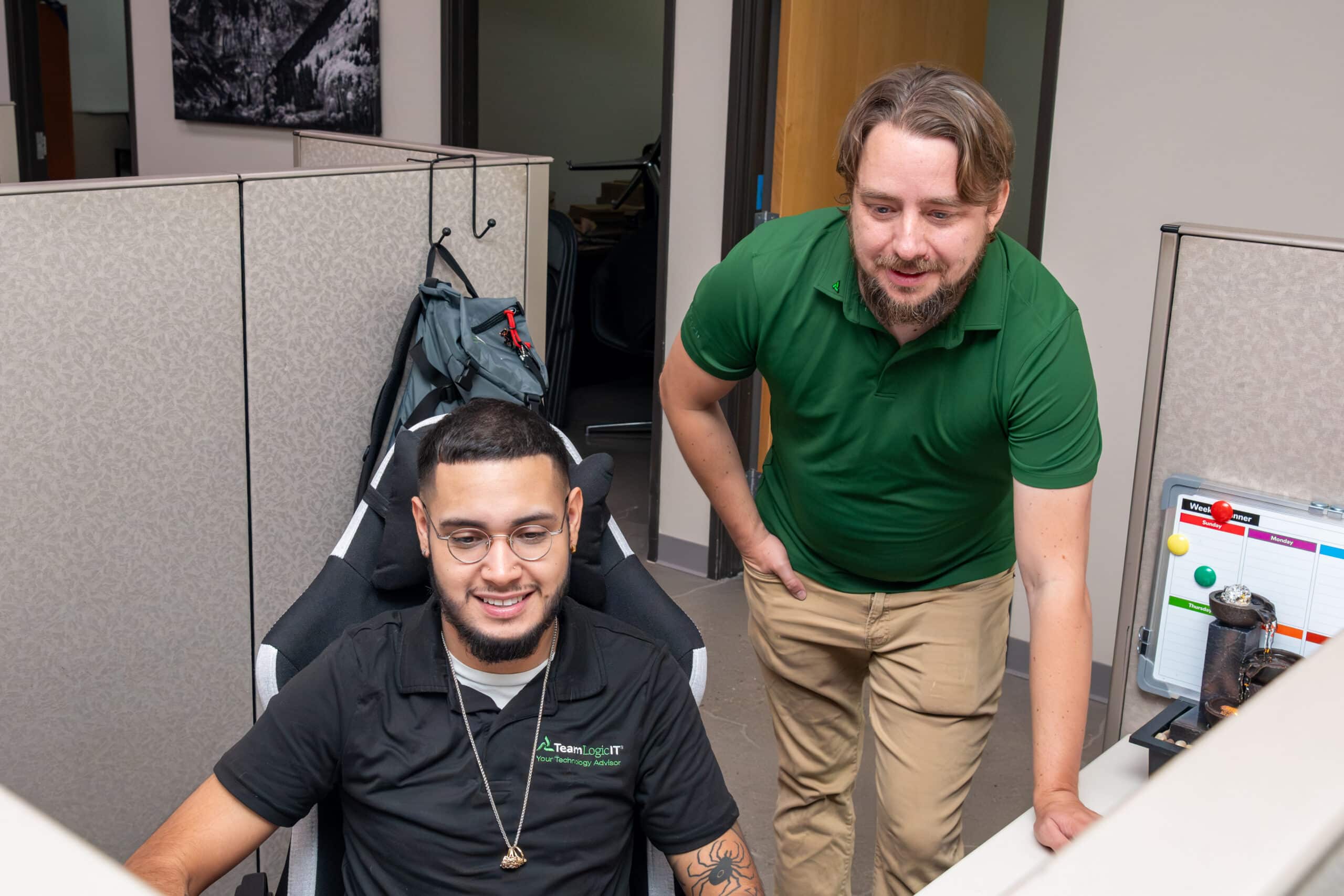
To help fill their human-centric IT help desk roles, TeamLogic IT brought on two ActivateWork Apprentices—Mouhamad and Jaime. Both joined a small, collaborative service delivery team and quickly became integral to the company’s culture.
“What stood out first was the enthusiasm,” Ramey shared. “With ActivateWork, you get people who have made a deliberate choice to come into IT. They may not have as much experience as a tenured help desk worker, but they have the desire to do the work and a hunger to grow their skills.”
“There is a steep learning curve when you come into a small and nimble startup environment on an IT help desk,” he added. “They’ve approached this with a lot of tenacity, digging in immediately, getting to work, and continuing to learn.”
“What stood out first was the enthusiasm. With ActivateWork, you get people who have the desire to do the work and a hunger to grow their skills.”

That enthusiasm translated directly into performance. Shortly after Mouhamad joined, a client experienced a cybersecurity issue. Instead of being intimidated, Mouhamad leaned into the challenge with curiosity and an eagerness to put his training to the test in a real-world scenario. Jaime, meanwhile, dove into the complicated world of employee mobile device management and Apple phone setup, quickly becoming TeamLogic IT’s go-to person for this process.
Both Apprentices showed a willingness to jump in, learn quickly, and take ownership of new challenges right out of the gate.
The Results: Stronger Culture, Better Client Experience, and Clear ROI
TeamLogic IT saw the impact of ActivateWork talent almost immediately. “Both Mo and Jaime were fully committed and embedded from day one,” said Ramey.
Their contributions also showed up in client experience. TeamLogic IT closely tracks reputation, including Google reviews and direct client experience surveys, and both Apprentices have been specifically named in positive feedback. For an IT support role, that kind of recognition is especially meaningful.
“If someone remembers who helped them from an IT standpoint, it’s a big deal,” Treiser explained. “We consistently keep clients that they’ve helped, and that tells us everything.”
“We consistently keep clients that they’ve helped, and that tells us everything.”
From a business perspective, the Apprenticeship model also delivered strong ROI for TeamLogic IT. Compared with the time and cost required to source and screen candidates through traditional channels, TeamLogic IT found ActivateWork to be a more efficient and effective pathway to qualified, motivated team members who have gone above and beyond.

More Than a Hiring Strategy: A Full-Circle Partnership
There’s an extra layer to this partnership that makes it especially meaningful for ActivateWork: TeamLogic IT also serves as the nonprofit’s managed services provider, supporting the organization’s day-to-day technology needs.
That means the career coaches and staff who supported Mo and Jaime throughout their training and job search now get to experience their professionalism firsthand when they reach out for IT support. Month after month, the ActivateWork team hears about how Mouhamad and Jaime are thriving in their roles and, now from the client side, witnesses the care they both bring to client support.
For Treiser, that full-circle connection reflects the deeper value of the partnership. After watching Jaime speak on an alumni panel at an event celebrating ActivateWork’s 10th anniversary, he wrote, “The best case for a program like this isn’t a graduation statistic. It’s what happens next.”
“The best case for a program like ActivateWork’s isn’t a graduation statistic. It’s what happens next.”
What happened next at TeamLogic IT is clear: Mouhamad and Jaime learned, grew, earned trust, took care of clients, and became the kind of coworkers “you can’t imagine the place without.” Treiser put it simply: “We may have hired them, but they’ve earned everything that’s come after.”
“We may have hired them, but they’ve earned everything that’s come after.”
That ongoing connection adds a deeply human dimension to the relationship. It also creates a powerful feedback loop: ActivateWork trains and supports emerging talent, TeamLogic IT invests in that talent through real-world Apprenticeship roles, and both get to stay connected as those Apprentices grow into trusted IT professionals. Seeing this kind of growth up-close reinforces a core belief at ActivateWork—that Apprenticeship is not just a hiring strategy; it is a relationship-driven model that helps people flourish while delivering tangible value to the organizations they serve.
And the impact reaches beyond a single employer partnership. As Treiser reflected, “ActivateWork is changing individual lives while also making the technology industry better by helping employers recognize talent they might otherwise miss.”
For the Apprentices, having organizations like ActivateWork and TeamLogic IT support them and invest in their growth is a life-changing opportunity that fuels their confidence and opens doors to lifelong prosperity. “I used to have a job,” Jaime reflected. “Now I have a career.”
“I used to have a job. Now I have a career.”

A New Way to Think About IT Hiring
TeamLogic IT’s experience shows that successful IT hiring is not only about years of experience or advanced degrees. With the right foundation, technical skills can be taught, but for TeamLogic IT, the harder qualities to find (and teach) are the human ones: empathy, motivation, adaptability, curiosity, and the ability to ask good questions. ActivateWork Apprentices brought those qualities into the TeamLogic IT business from day one.
Through the Apprenticeship partnership with ActivateWork, TeamLogic IT did more than just fill open roles—they gained team members who show up with care, grit, and the mindset to keep learning. And with ActivateWork as a partner, they’re building a stronger, more resilient talent pipeline that will support the company’s growth in the West Denver area for years to come.
Ready to Build Your Winning Workforce Strategy?
Let’s build the next generation of tech talent—together.
Reach out to our Talent Solutions team to explore how Apprenticeship can help your organization build a stronger, more resilient technology workforce.
How Apprenticeships Can Help Colorado Job Seekers Build Careers in Tech
Breaking Into Tech Without Starting Over: How Apprenticeships Create Career Pathways
The world of work is changing fast.
Artificial intelligence is reshaping jobs. Employers are rethinking the skills they need. Many job seekers are trying to make sense of a labor market that feels more uncertain than ever.
Whether you’re looking for your first professional role, returning to the workforce, or considering a career change, one challenge remains the same: how do you gain experience when employers are asking for experience even for entry-level roles?
For many Colorado job seekers, Apprenticeships are becoming part of the answer.
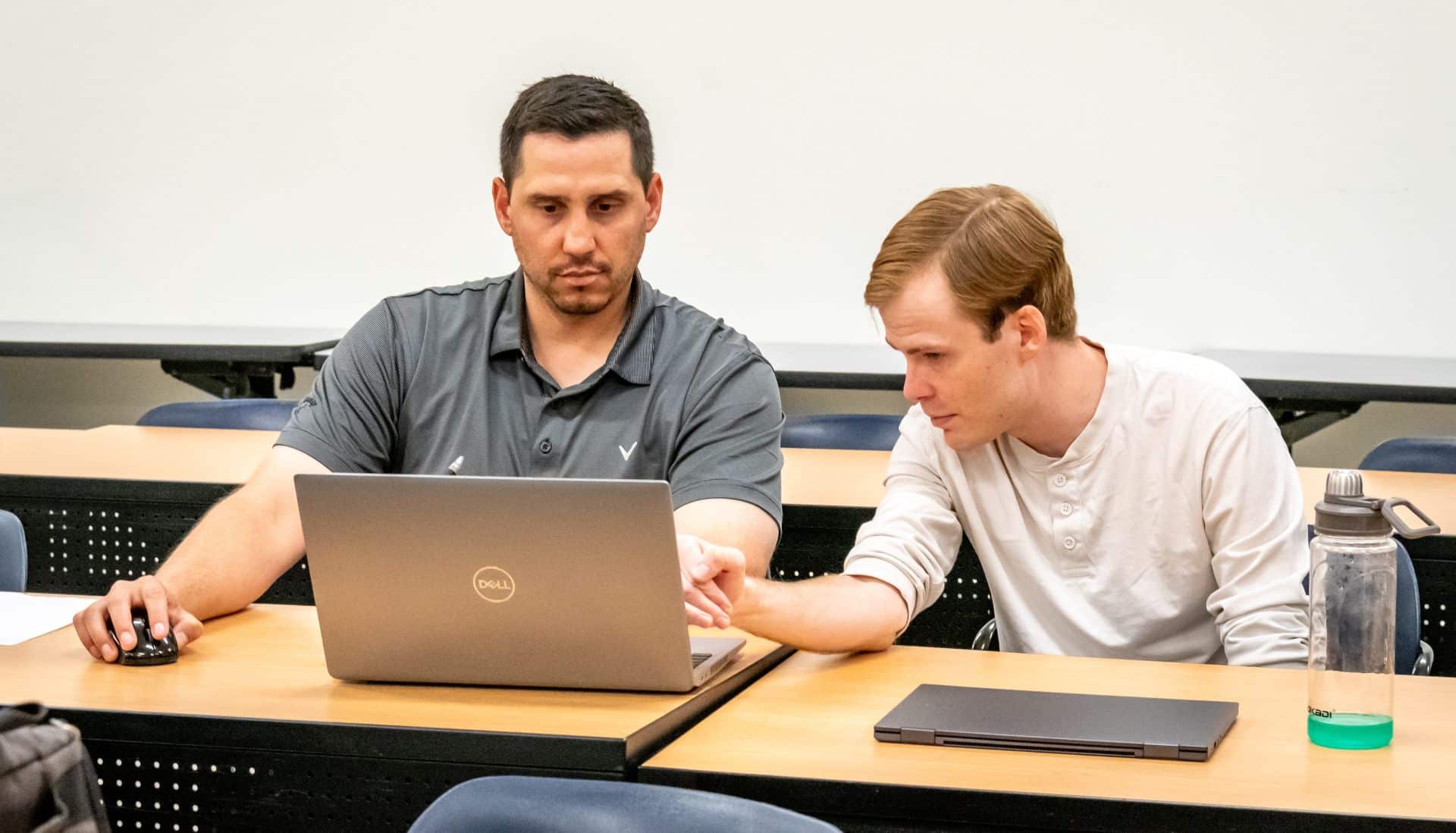
Apprenticeships offer a unique opportunity to develop in-demand skills while working in a real-world environment. Rather than choosing between learning and earning, apprentices gain hands-on experience, receive structured training, and earn a paycheck as they grow.
But here’s the part that often gets overlooked: most successful Apprentices don’t start their journey with an Apprenticeship application.
They start by building the skills, confidence, and professional readiness that help them become competitive candidates for those opportunities.
Why Apprenticeships Are Growing in Colorado
Colorado’s economy continues to evolve, and employers across industries are looking for new ways to build talent pipelines for high-demand roles.
Apprenticeships have become an increasingly important workforce strategy because they help employers develop talent while creating meaningful career opportunities for people who may not have followed a traditional path into their field.
Programs approved through Apprenticeship Colorado and the U.S. Department of Labor help establish quality standards for Apprenticeships while creating opportunities in industries ranging from healthcare and advanced manufacturing to information technology.
For learners interested in technology careers, Apprenticeships can provide a pathway into fields such as:
- IT Support
- Cybersecurity
- Data Analytics
- Software Development
- Cloud and Infrastructure Operations
Instead of spending years trying to break into the industry, Apprentices gain valuable workplace experience while continuing to develop technical and professional skills.
What Is an Apprenticeship?
At its core, an Apprenticeship is an “earn and learn” model.
Apprentices work alongside experienced professionals while receiving structured training designed to help them master specific skills and responsibilities. As they develop new competencies, they gain practical experience that can be difficult to obtain through classroom learning alone.
The exact structure varies by employer and occupation, but strong Apprenticeships typically include:
- Paid, hands-on work experience
- Structured learning and skill development
- Mentorship and professional guidance
- Progressive growth in responsibility and expertise
For many people, Apprenticeships offer something that traditional education and job searching often struggle to provide: a direct connection between learning and employment.
The Step Many People Miss
Apprenticeships can be powerful opportunities for career growth, but they often build on work that has already begun. Before stepping into an Apprenticeship, many learners spend time developing technical skills, strengthening professional confidence, and exploring which career path is right for them.
At ActivateWork, learners participate in technology training programs that help them develop both technical skills and the professional competencies employers value. They receive coaching, career-readiness support, interview preparation, and guidance as they work toward their long-term career goals.
For some learners, that preparation may lead directly to employment. For others, it may open the door to opportunities such as Apprenticeships.
The goal isn’t simply landing the next job. It’s building an on-ramp to a sustainable career.
From Training to Apprenticeship to Full-Time Employment
For ActivateWork graduate Juan Marquez, the Apprenticeship-to-employment pathway became a reality.
Juan entered ActivateWork’s program looking for an opportunity to build a future in technology. Like many career changers, he knew he had the drive to succeed but needed the skills, support, and opportunity to make the transition.
Through training, coaching, and career preparation, Juan developed the foundation needed to pursue a career in technology. That preparation helped him secure an Apprenticeship, where he gained valuable hands-on experience while continuing to build his technical expertise.
The experience ultimately led to something even bigger: a transition into a full-time role.
Juan’s journey reflects an important truth about career development. Successful careers are rarely built through a single opportunity. They are built through a series of intentional steps, each one creating momentum for the next.
- Training creates readiness.
- Readiness creates opportunity.
- Opportunity creates experience.
- And experience creates new possibilities.

Could an Apprenticeship Be Part of Your Career Journey?
An Apprenticeship isn’t the right fit for everyone, but it can be a powerful option for learners who:
- Want to pursue a career in technology
- Learn best through hands-on experience
- Are looking for ways to gain industry experience while continuing to learn
- Value mentorship and professional development
- Are committed to building long-term career skills
The most successful Apprentices often share another trait: a willingness to keep learning.
In a workforce shaped by constant change, adaptability may be one of the most valuable skills a professional can develop.
Your Next Step Starts with Building the Foundation
Apprenticeships can be transformative opportunities. They offer a chance to gain real-world experience, develop in-demand skills, and build meaningful careers.
For many learners, however, an Apprenticeship is one step in a larger career journey. Before applying, it’s often helpful to develop the technical skills, professional confidence, and career readiness that employers look for.
That’s where ActivateWork comes in.
Through technology training, career coaching, and workforce preparation, ActivateWork helps learners develop the skills and experience needed to pursue a variety of career opportunities, including Apprenticeships with employer partners across Colorado. We work closely with employers to help create and expand Apprenticeship opportunities while preparing learners to compete for them.
Explore Apprenticeship Opportunities
If you’re interested in pursuing a technology career and want to learn more about how Apprenticeships work, we’re here to help.
ActivateWork partners with employers across Colorado to help expand Apprenticeship opportunities and prepare learners to compete for them. Whether you’re exploring a career change, entering the workforce, or looking for a new path into tech, understanding how Apprenticeships fit into your career journey is a great place to start.
Visit our Apprenticeship Opportunities for Career Seekers page to learn how the Apprenticeship pathway works, what employers look for in candidates, and how ActivateWork’s training programs can help you prepare for these opportunities.
ActivateWork Recognized Again as an Exceptional Partner in Colorado's Apprenticeship System
ActivateWork Honored to Receive a Second Consecutive Recognition from Apprenticeship Colorado
We’re excited to share that ActivateWork has once again been recognized by Apprenticeship Colorado as an Exceptional Partner in Colorado’s Registered Apprenticeship System. ActivateWork was among the 31 organizations recognized for strengthening and expanding Colorado’s Registered Apprenticeship system, and we’re proud to be recognized for the second consecutive cycle.
This recognition reflects the dedication of our team, employer partners, Apprentices, and community supporters who believe in creating pathways to opportunity through Apprenticeship.
What It Means to Be Both an Industry and Talent Intermediary
ActivateWork is recognized as both an Industry Intermediary and a Talent Intermediary, a distinction that reflects our unique role in Colorado’s workforce ecosystem, supporting the full Apprenticeship journey.
On the employer side, we help organizations design, launch, and grow Registered Apprenticeship programs that build sustainable talent pipelines. On the talent side, we recruit, train, coach, and support Apprentices as they prepare for and succeed in high-demand careers.
By serving both employers and career seekers, we’re able to help close skills gaps, expand access to opportunity, and create Apprenticeship experiences that work for everyone involved.
Building Stronger Talent Pipelines Through Apprenticeship
Apprenticeship is one of the most effective ways to develop skilled talent while creating meaningful opportunities for people to launch and advance their careers.
At ActivateWork, we work closely with employers to identify talent needs and connect them with motivated, job-ready candidates who have completed rigorous training and are prepared to learn and contribute on the job. Our team provides support throughout the process, helping employers and Apprentices navigate everything from recruitment and job matching to coaching and ongoing program administration.
The result is a workforce solution that helps employers grow while creating economic mobility for individuals and communities.
Thank You to Our Employer Partners and Apprentices
This recognition belongs to the many employers who have embraced Apprenticeship as a workforce strategy and to the Apprentices whose dedication and perseverance continue to inspire us.
Every successful Apprenticeship demonstrates what’s possible when talent is given the opportunity to learn, grow, and thrive.
Interested in Starting an Apprenticeship Program?
If your organization is looking for new ways to attract, develop, and retain talent, we’d love to talk.
ActivateWork helps employers build customized Apprenticeship solutions that support business goals while creating opportunities for Colorado workers.
Connect with our team to learn how Apprenticeship can help you build the workforce of the future.


[Case Study] Wings Over the Rockies + Tech Talent Partnership: Industry-Sponsored Project Pilot
Wings Over the Rockies + Tech Talent Partnership Case Study
Solving Real Business Challenges While Building Colorado's Future Tech Talent
Wings Over the Rockies partnered with the Tech Talent Partnership to turn real cybersecurity challenges into hands-on, work-based learning opportunities for Colorado learners.
The Challenge
Many organizations have important projects that never move beyond the idea stage. Limited staff capacity, competing priorities, budget constraints, and lack of specialized expertise often prevent valuable initiatives from moving forward. At the same time, students and emerging professionals struggle to gain the real-world experience employers increasingly expect.
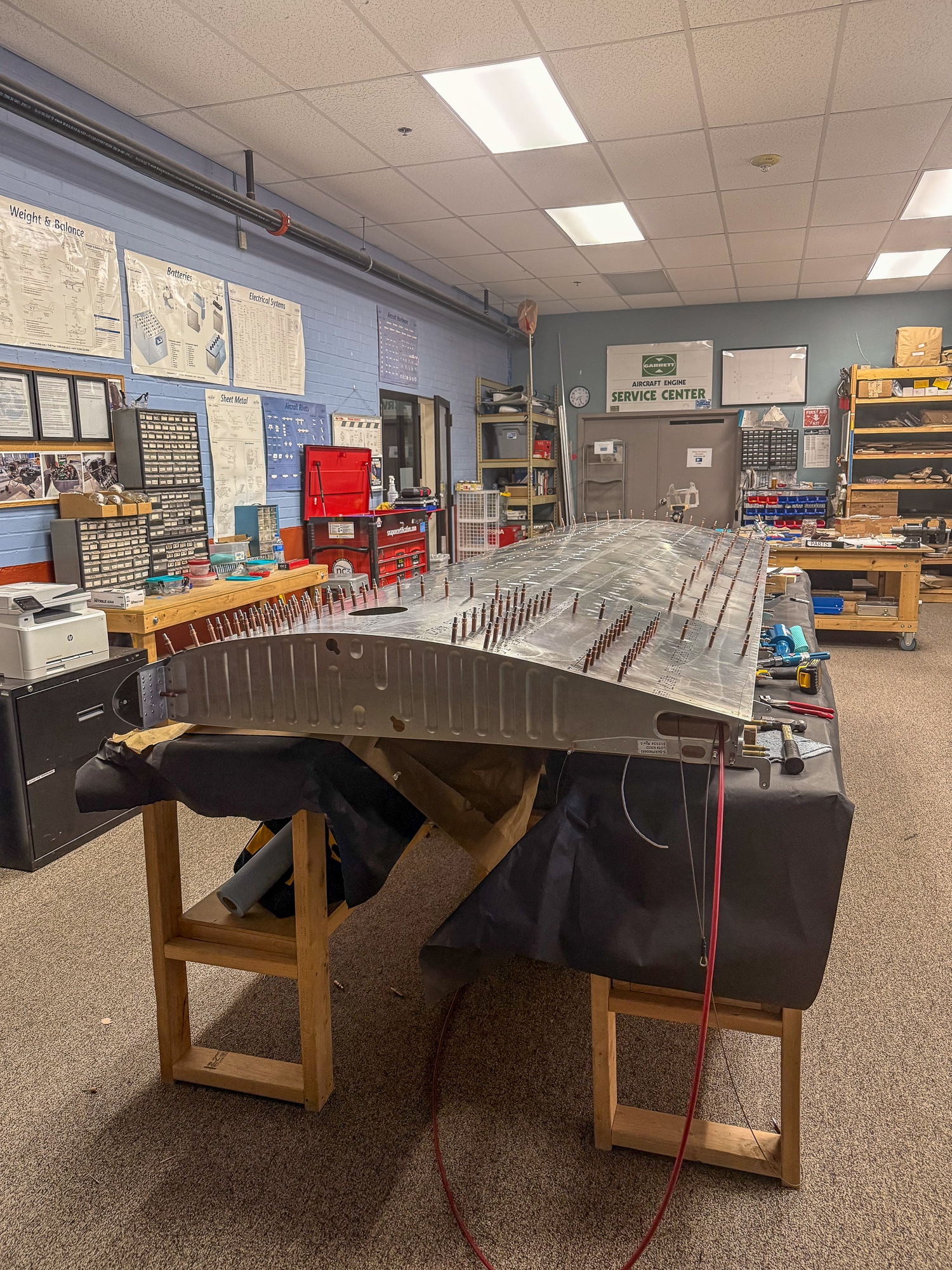
When Wings Over the Rockies Air & Space Museum (WOTR) sought to expand its cybersecurity education offerings and strengthen its own cybersecurity practices, it faced a challenge familiar to many nonprofits: ambitious goals, but limited capacity to pursue them.
Rather than allowing these priorities to remain on the shelf, WOTR partnered with the Tech Talent Partnership (TTP) through an innovative Industry-Sponsored Project model that connects employer needs with learner talent.
The Solution: Turning a Business Challenge into a Learning Opportunity
The project was made possible through the U.S. Chamber of Commerce Foundation’s EPIC (Employer Provided Innovation Challenges) initiative, which selected TTP to serve as a clearinghouse for employer-sponsored projects and work-based learning opportunities.
TTP brought together 16 learners representing a diverse network of education and workforce partners, including Adams 12 Bollman Campus, ActivateWork, ClimbHire, Arapahoe Community College, and the University of Colorado Colorado Springs.
Working alongside Wings Over the Rockies, TTP helped transform a real organizational need into two meaningful cybersecurity-focused projects:
- A Cybersecurity Enhancement & Risk Assessment project
- A Cybersecurity Education Pathway and Lab Design project focused on aerospace careers
During project planning meetings, Wings’ leadership identified both immediate cybersecurity concerns and a desire to explore future cybersecurity programming for students participating in its Aerospace Academy. The Industry-Sponsored Project model provided a pathway to address both goals simultaneously.

How the Project Worked
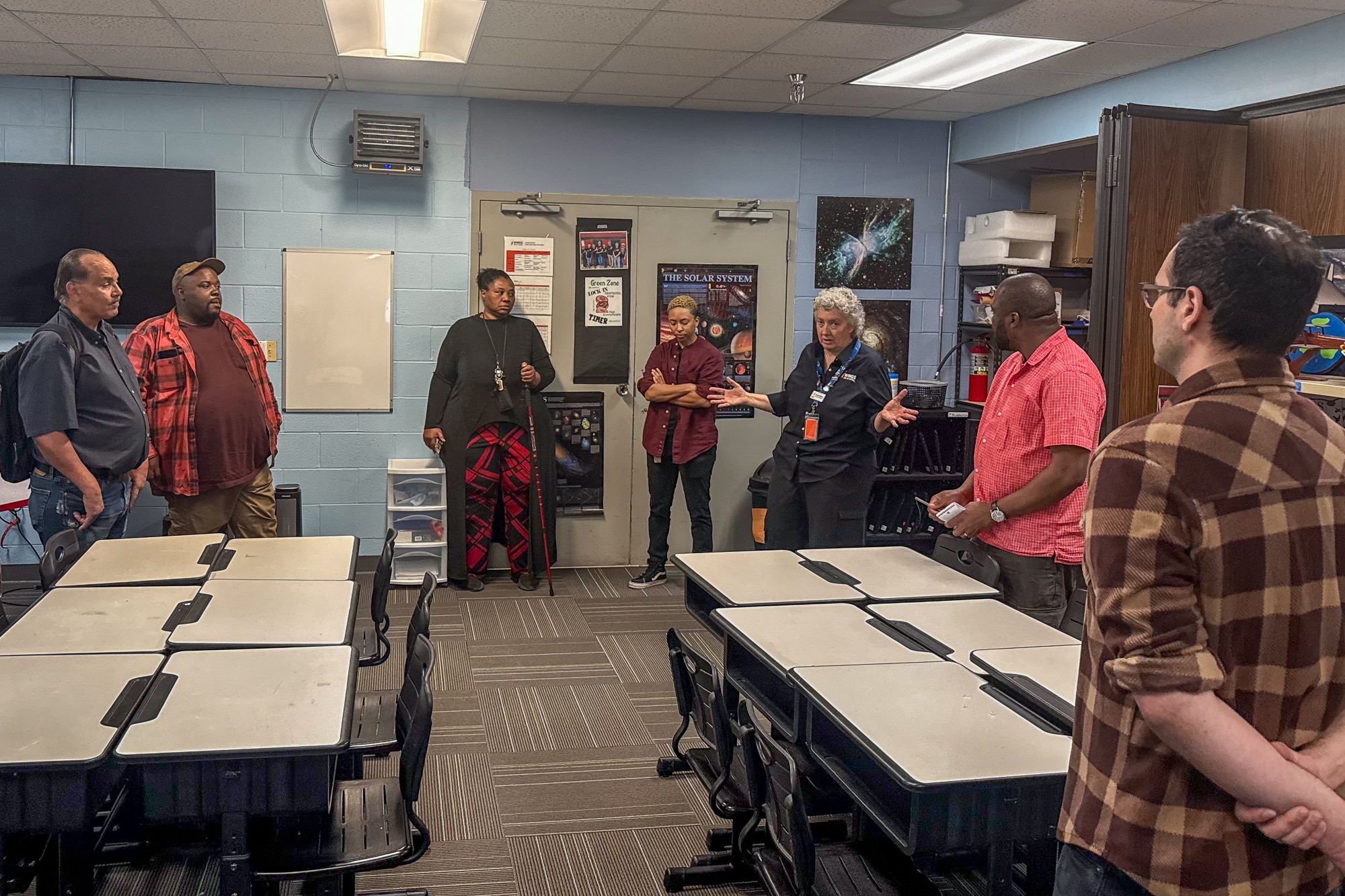
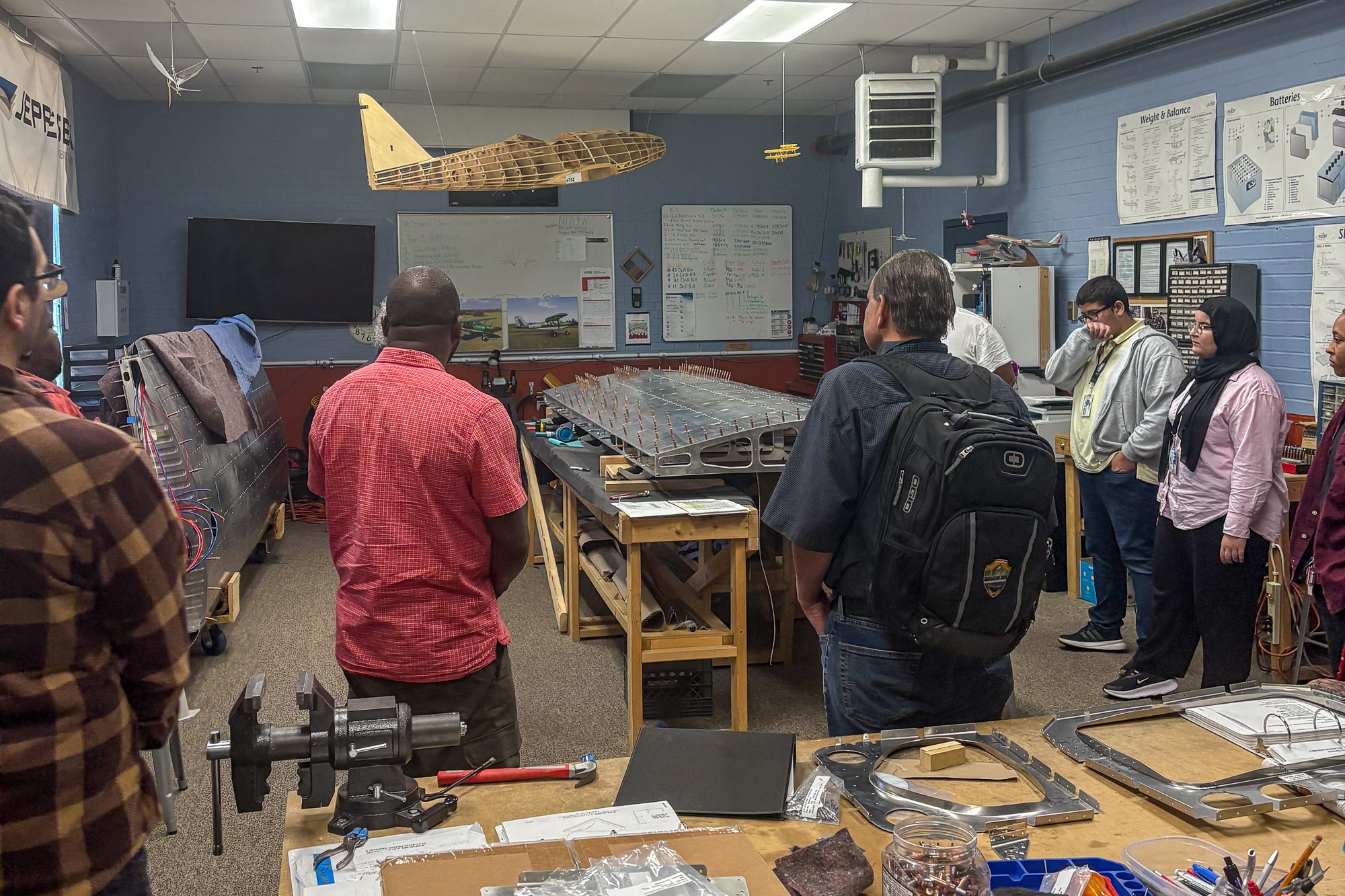
Rather than operating as traditional interns, learners were organized into multidisciplinary teams and asked to function as consultants, researchers, project managers, and problem-solvers. They conducted research both on-site and remotely, managed deliverables, developed recommendations, and presented their findings directly to stakeholders.
The project intentionally created opportunities for participants from multiple pathways to work together while gaining exposure to one another’s programs and perspectives: Learners from high schools, community colleges, workforce development programs, and universities collaborated across educational backgrounds and experience levels.
TTP provided the structure, coordination, and support needed to make the project successful while minimizing the employer’s burden. Instead of asking WOTR to build an internship program or dedicate significant internal resources, TTP translated business needs into a manageable, supported project experience.
Results for Wings Over the Rockies
The industry-sponsored project pilot delivered real, practical value for Wings Over the Rockies: Learner teams produced recommendations and presentations that offered fresh perspectives and actionable ideas on both cybersecurity readiness and future educational programming. The experience gave the organization an opportunity to explore how cybersecurity education could complement its existing aerospace programming while supporting future growth.
During the project debrief, project leaders reported that WOTR found the experience highly beneficial. The resulting recommendations and deliverables helped identify new opportunities and created resources to support future decision-making and board discussions.
Michelle McMahon, Director of Education at Wings Over the Rockies, described the Tech Talent program as an invaluable resource for the nonprofit museum, noting that it helped the organization identify key needs for two important programs, tap into specialized talent, and lay the groundwork for future projects and programming.
Perhaps most importantly, the project demonstrated that organizations do not need large budgets or extensive internal resources to benefit from emerging talent. By bringing a real challenge to the table, WOTR gained access to fresh thinking, meaningful deliverables, and a new approach to problem-solving.
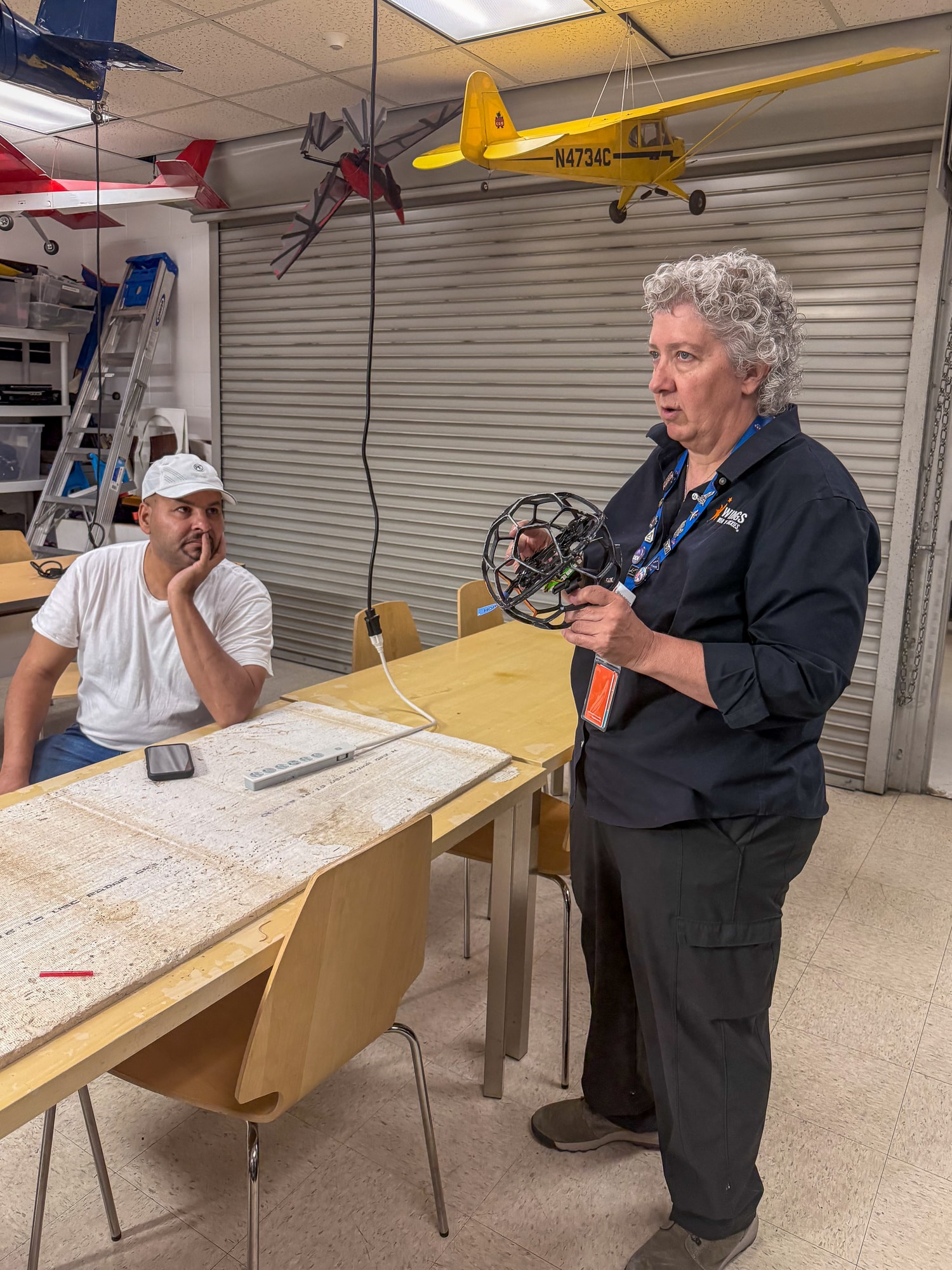
“We really enjoyed participating in the Tech Talent program. It enabled Wings Over the Rockies to identify key elements we needed for two crucial programs. It also allowed us to tap into specialized talent, which helped us develop a new course of study for our middle- and high-school enrichment program. It was an invaluable resource for our non-profit museum. The projects we accomplished together laid the foundation for future projects for the museum and its programming. “
— Michelle McMahon, Director of Education at Wings Over the Rockies
Results for Learners
The impact on learners was equally significant. Participants gained hands-on experience working on authentic business challenges, strengthening technical, communication, leadership, and project management skills. Rather than completing hypothetical assignments, they developed portfolio-ready work that can be used to demonstrate their capabilities to future employers.
For one ActivateWork alum, the experience reinforced a lesson that applies well beyond a single project: the importance of truly listening to what a client is asking for, rather than bringing assumptions or past experiences into a new engagement. That mindset helped participants approach the work with curiosity, flexibility, and a stronger understanding of what it means to meet a client’s real needs.
Through this pilot, students were able to build tangible project portfolios and demonstrate their skills through real deliverables. These types of work-based learning experiences can help bridge one of the most persistent barriers facing emerging talent—obtaining meaningful experience before securing employment.
Why the Tech Talent Partnership Model Works
The Wings Over the Rockies pilot showcased the unique value of TTP’s role within Colorado’s workforce ecosystem.
TTP acts as a connector between employers, education providers, workforce organizations, and learners. By coordinating opportunities and reducing administrative burden, the Partnership enables organizations to engage with talent in a practical, low-risk way while creating meaningful learning experiences for participants.
The pilot also demonstrated remarkable efficiency. With an investment of approximately $8,000–$10,000, the project engaged 16 learners across multiple education and workforce programs, providing stipends that expanded access and removed barriers to participation.
The model allowed projects to move quickly, provided employers with actionable recommendations, and created equitable work-based learning opportunities without the complexities typically associated with internships or academic credit requirements.
A Call to Employers: What's Sitting on Your Shelf?
The success of the Wings Over the Rockies industry-sponsored project demonstrates a powerful truth: many organizations already have the perfect project for an Industry-Sponsored Project—they just may not realize it yet.
Do you have:
- A technology challenge that hasn’t been prioritized?
- A process that needs improvement?
- Research you’ve wanted completed?
- Data that needs analysis?
- A cybersecurity concern?
- A product, service, or workflow you’d like fresh perspectives on?
You do not need a formal internship program. You do not need to dedicate significant staff resources. You simply need a challenge worth solving. TTP can help connect that challenge with motivated learners eager to build experience and contribute meaningful solutions.
The result is a win for everyone: organizations gain insight and additional capacity, learners gain experience and portfolio pieces, and Colorado strengthens its talent pipeline.
Ready to Get Started?
Interested in participating in future Industry-Sponsored Projects? Let’s connect.
The next great project—and the next opportunity to develop Colorado’s future workforce—might be sitting on your shelf right now.
An Interview with ActivateWork Alumnus Mark Sianipar

Alumni Spotlight: Mark Sianipar
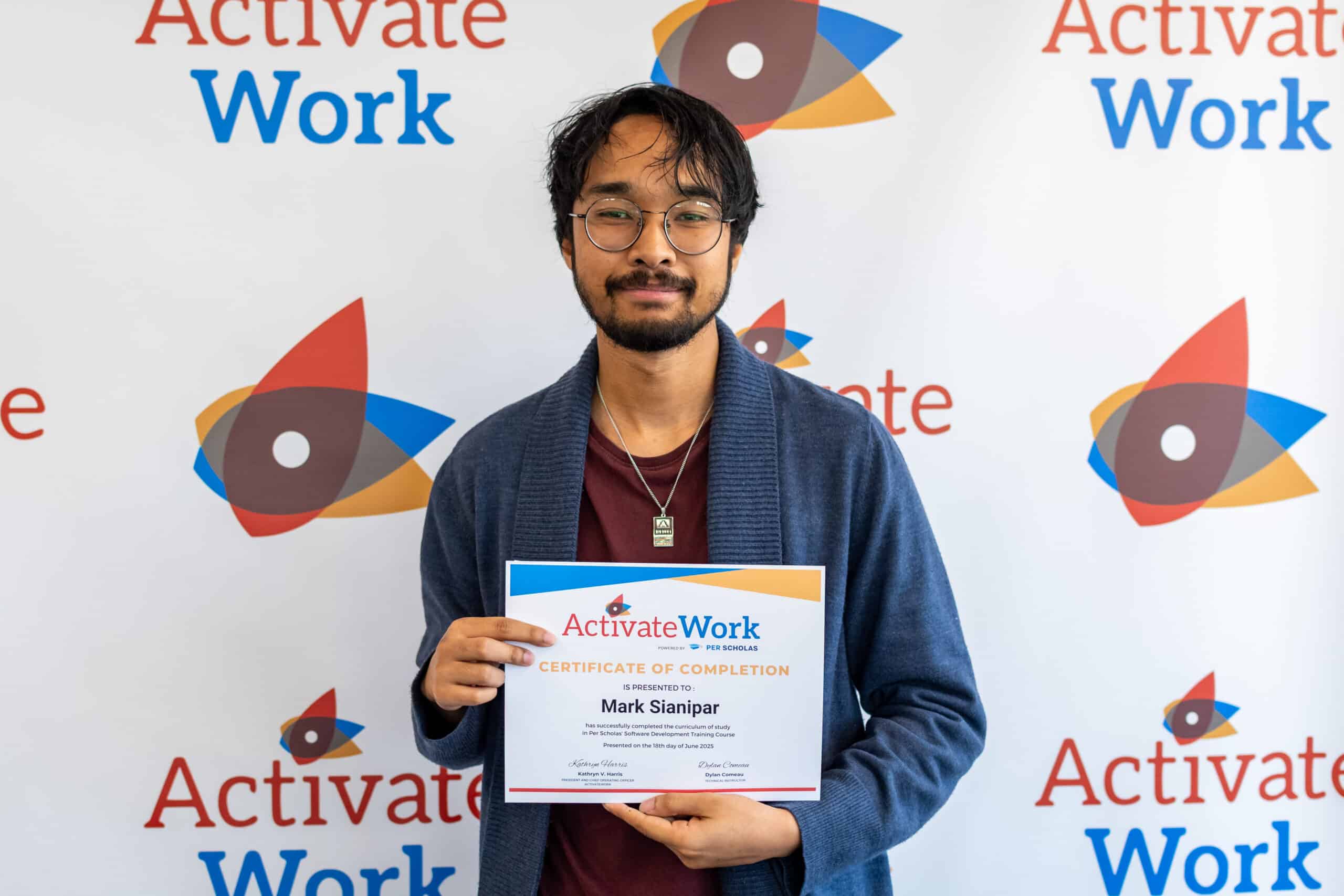
Mark Sianipar is a graduate of ActivateWork’s Software Development Course (2025‑DEN‑01 Cohort)
Mark Sianipar spent months job-hunting after graduating from ActivateWork in June 2025, sending out dozens of applications for software roles—many of which went unanswered—before landing a position he loves as a Solutions Engineer with VisionLink, a nonprofit that develops and deploys software platforms for community service management and disaster relief.
We caught up with Mark to learn more about his job search, interview strategies, and how he staved off burnout throughout the process.
What’s one small thing you did during your job search that made a big difference?
Mark: Accepting that I should apply to software development-adjacent roles—that opened up a lot more doors without closing the path to becoming a Software Developer. I started getting more interviews, and in those conversations, I made sure to ask about opportunities to grow into a developer role.
My current role as a Solutions Engineer aligns well with what I learned in the Software Development bootcamp—it is mostly client-facing while still giving me the opportunity to do front-end customization and read other people’s code, which helped ease a lot of that initial imposter syndrome.
Did you hit any roadblocks along the way? How did you work through them?
Mark: One of the biggest roadblocks I ran into was constant rejection. It is mentally taxing and can take a toll on how you see yourself as a candidate.
What helped me work through it was learning not to take each rejection personally, staying consistent with applications, and using it as a chance to improve. I spent time looking back at previous interviews, resumes, and cover letters to identify areas I could strengthen. That included how I projected my voice, how I handled questions that caught me off guard, and how I presented myself on camera.
Over time, making small adjustments in those areas helped me feel more confident and prepared. While it may seem small and even a bit cliché, those incremental improvements really added up and made a noticeable difference.
What do you think helped you stand out as a candidate?
Mark: I think what helped me stand out as a candidate was not just my technical projects, but my experience outside of them. I had been showcasing the projects I built during my two bootcamps for over a year and a half, but the key factor that came up in interviews was my volunteer work as a board member at my church.
That experience showed that I can communicate clearly, understand client/church member needs, and balance those needs with technical limitations and budget constraints. The ability to manage expectations and translate between technical and non-technical perspectives set me apart for a Solutions Engineer role.
At the same time, my ability to understand code and implement front-end changes reinforced that I can still execute on the technical side, which helped round out my candidacy.
What are you enjoying most about your current role and team?
Mark: What I am enjoying most about my current role and team is the mission behind the work. VisionLink’s focus on disaster relief and integrating community services and programs into a single platform to connect people to the resources they need makes the work feel meaningful.
Being able to support communities and individuals who are actively seeking help is gratifying and a constant reminder of the real people I am working for. That sense of purpose carries across the entire team. From helpdesk to leadership, there is a shared understanding that times are tough for a lot of people and that the best way to support communities is to make resources more accessible.
What advice would you give to someone who’s feeling stuck in their job search?
My advice would be not to exhaust yourself and to lean into your network. Stay consistent, but give yourself space so you do not burn out.
One thing that really helped me was staying connected through monthly check-ins with my coach at ActivateWork. I know I am at my worst when it feels like my feet are stuck in the mud, and it seems like I am moving backward. In those moments, getting advice and encouragement from people like Kelli and Emily made a big difference and helped me keep going in my search for a role in tech.
Lean on others, seek honest feedback, and keep putting yourself out there. That combination of support and effort is what helped me get unstuck and eventually land where I am now.

Ready to launch your new tech career?
Learn more about the courses we offer, try out some course pre-work to see if the material interests you, or start your application today!
[Case Study] OIT & ActivateWork Apprenticeships: Building Colorado's Tech Workforce from the Ground Up
How the Colorado Governor’s Office of Information Technology Partnered with ActivateWork to Create a Sustainable Talent Pipeline
The Challenge: Competing for Talent in a Hyper-Competitive Market
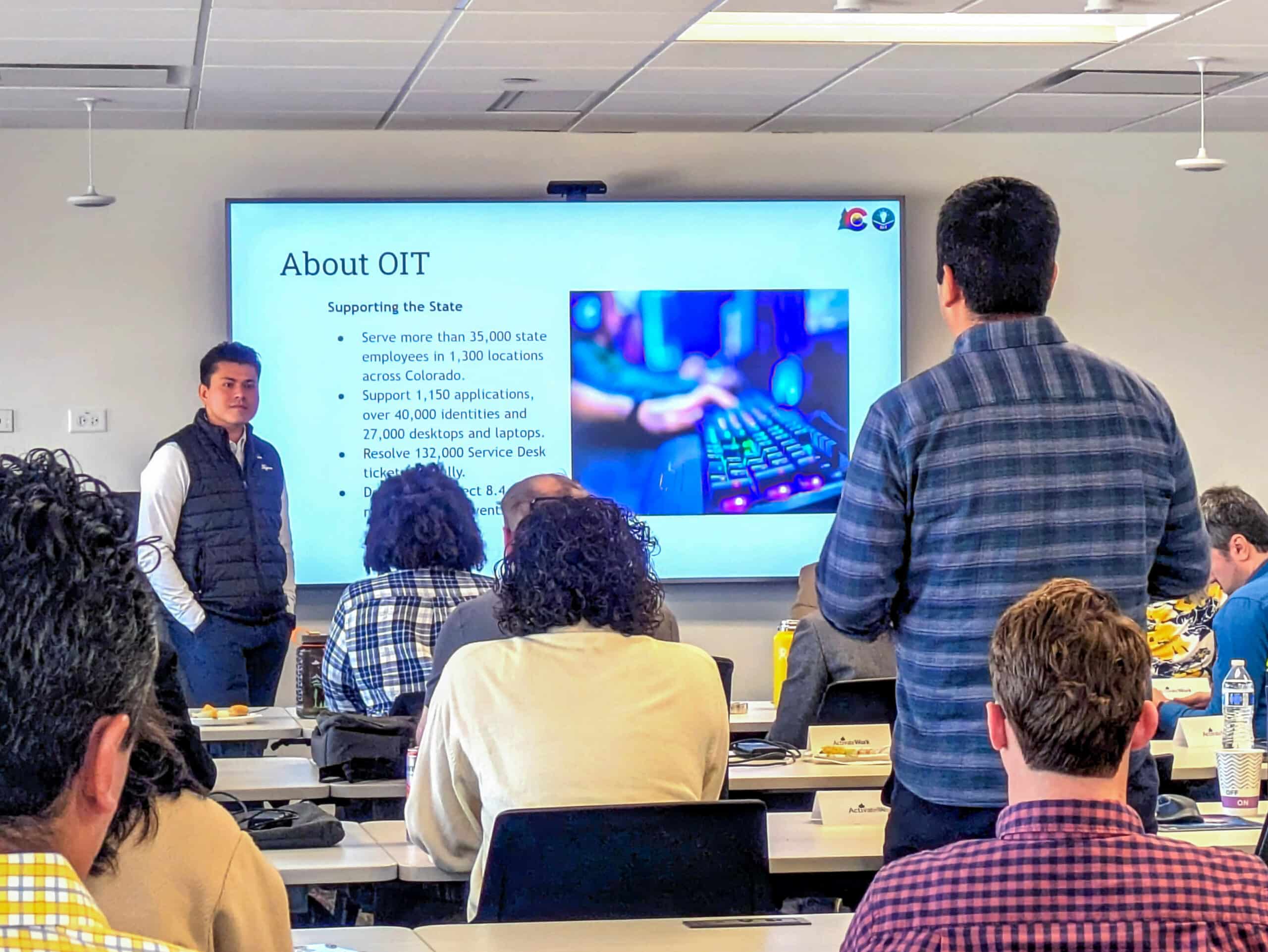
 The Colorado Governor’s Office of Information Technology (OIT) provides secure technology solutions to all 18 state government agencies under the executive branch, driving innovation and solutions that power the services Coloradans rely on every day, from food assistance and unemployment benefits to early childhood education and public safety.
Among OIT’s most difficult roles to fill are software developer positions, roles that require a wide range of technical skills, yet aren’t as “flashy” as many tech jobs in the private sector. As a public sector organization, the team also faces the challenge of competing for highly skilled technology talent against private-sector salaries and recruiting budgets.
OIT recognized that continually trying to outbid the private sector for senior developers was neither sustainable nor strategic. Instead of relying solely on talent acquisition, OIT sought a better long-term solution: organically growing its workforce from the entry level up. The goal was not simply to fill open positions, but to create a sustainable workforce pipeline capable of addressing persistent tech gaps for years to come, and to foster a culture of retention.
The Solution: Apprenticeship as a Workforce Strategy
Partnering with ActivateWork, OIT implemented a structured Software Development Apprenticeship program as an alternate pathway into a tech career in the public sector, based on ActivateWork’s training model, which combines rigorous technical training aligned to employer tech stacks with holistic support and career coaching.
Perhaps even more importantly, ActivateWork’s program emphasizes continuous professional development, emotional intelligence, and “soft” skills such as curiosity and communication—and not only during training. After completing their bootcamp, participants continue learning and upskilling throughout their 12-month structured Apprenticeship, while both apprentices and their managers receive ongoing coaching and support from ActivateWork.
The nonprofit collaborated closely with OIT leadership to understand their specific in-house tech stack, why those technologies were chosen, and the Office’s long-term vision, ensuring apprentices were technically prepared and could contribute meaningfully within OIT’s existing infrastructure.
“The curiosity level in every apprentice we’ve worked with is off the charts. They ask questions no one else has asked. Their knowledge is fresh, and they’re seeing it from a completely different viewpoint. It’s truly team-shifting.” —Bob Nogueira, Chief People Officer, OIT
The Results: High-Caliber Talent, Rapid Productivity
To date, OIT has hired 11 apprentices through ActivateWork, with more than half converting into regular full-time positions, which they hold to this day.
Managers consistently report that ActivateWork apprentices become productive within four to six weeks, a timeline that often outpaces experienced hires. In fact, OIT managers noted that even seasoned developers do not always reach full productivity within a month, making the apprentices’ early impact particularly notable.
What distinguishes ActivateWork’s candidates is not only their technical preparation but the depth of their professional readiness and, above all else, their curiosity.
“The curiosity level in every apprentice we’ve worked with is off the charts,” said Bob Nogueira, Chief People Officer at OIT. “They ask questions no one else has asked. Their knowledge is fresh, and they’re seeing it from a completely different viewpoint. It’s truly team-shifting.”

One example is Catalina Quarleri. After completing ActivateWork’s software development course in 2024, they were hired into a position that typically requires two to three years of experience. Despite having fewer years on paper, Cata’s training and Apprenticeship experience positioned them ahead of peers from traditional pathways.
Within their first year, Cata deployed a code component across the State of Colorado, an opportunity many developers do not experience until much later in their careers. As they put it, “ActivateWork played a pivotal role in my success. The program not only equipped me with the technical skills I needed but also helped me build confidence. I’m now working in a role I love, and I feel empowered to keep growing in my career.”
Strengthening Culture and Retention
A common misconception among hiring managers is that Apprenticeships require additional oversight and management time. OIT’s experience has been the opposite. With ActivateWork’s structured support model and continuous learning framework, managers describe the partnership as valuable rather than burdensome.
As Brandon Archuleta, Manager, Enterprise Applications at OIT, explained, “I manage 32 developers across five teams. Having that external structure and reporting support made the process significantly easier and something that ended up being helpful versus creating more work.”
Beyond productivity gains, apprentices have strengthened team culture at OIT. They integrate fully into workflows, contribute to billable work, and demonstrate a strong commitment to their teams.
OIT firmly believes in research showing that teams built organically, from the entry level up, frequently demonstrate stronger loyalty and long-term commitment. Apprentices who begin their careers within an organization develop a deeper connection to its mission and culture than senior developers transitioning across multiple employers. And this has been the case with OIT as well, where they have seen clear investment from each apprentice in growing with the company and staying loyal to their teammates.
A Shift from Talent Acquisition to Talent Development
OIT had attempted Apprenticeship programs in the past, but found that the promised training, preparation, and ongoing support always fell short. With ActivateWork, OIT found a true partner. The consistency of the bootcamp, the caliber of candidates, and the sustained employer collaboration differentiated the program from previous experiences.
ActivateWork’s programs attract hundreds of applicants per cohort, who are rigorously vetted for aptitude, coachability, and career readiness, prioritizing individuals who demonstrate commitment and potential but have faced barriers to traditional education or hiring pathways into long-term careers in technology.
“ActivateWork played a pivotal role in my success. The program not only equipped me with the technical skills I needed but also helped me build confidence. I’m now working in a role I love, and I feel empowered to keep growing in my career.” —Catalina Quarleri, ActivateWork Software Development Apprentice
The Bottom Line: Apprenticeships Are a Winning Workforce Strategy
For Colorado employers, Apprenticeships represent more than a hiring tactic. They are an effective long-term workforce strategy with proven ROI. By investing in structured Apprenticeship programs, organizations can reduce dependency on costly lateral hiring and talent acquisition, align talent development with their specific technology needs, and build resilient internal pipelines.
ActivateWork’s partnership with the Governor’s Office of Information Technology demonstrates what is possible when employers move beyond transactional talent acquisition and commit to building Colorado’s next generation of tech professionals from the ground up.
Ready to Build Your Winning Workforce Strategy?
Let’s build the next generation of tech talent—together.
Reach out to our team to explore apprenticeship pathways tailored to your business needs.
The Rising Tide of Cyber Threats—and Why Cybersecurity Apprenticeships Are Now a Business Imperative
AI is accelerating the speed and sophistication of modern attacks, and employers need a scalable way to build a future-ready cyber workforce—Cybersecurity Apprenticeships are a proven way to do just that.
Across every industry, leaders are confronting a reality that’s impossible to ignore: cyber threats are accelerating at unprecedented speed, scale, and sophistication. As organizations increase their reliance on digital infrastructure, cloud computing, and AI-powered tools, adversaries are doing the same—and they’re moving even faster.
As a result, companies worldwide are facing a rapidly evolving threat landscape that could destabilize economies, disrupt operations, and expose sensitive data at a scale not seen before, according to the World Economic Forum’s Global Cybersecurity Outlook 2026.
And while threats surge, the cybersecurity workforce simply isn’t keeping pace. Employers are struggling to fill critical security roles even as risks compound.
This dual crisis—a rapidly intensifying threat environment and a widening talent shortage—is reshaping how employers think about building cybersecurity teams. Increasingly, apprenticeship has emerged as one of the most effective, scalable, and future-ready solutions.
A New Era of Cyber Threats: Faster, Smarter, and AI-Driven
Multiple leading analysts agree that generative AI is transforming the cyber threat landscape and lowering the barrier for attackers.
- Forbes reports that in 2026, cybercriminals will deploy attacks that are more believable, more targeted, and more effective due to innovations like phishing-as-a-service and AI-driven personalization.
- Google Cloud’s Cybersecurity Forecast 2026 highlights how both attackers and defenders are rapidly scaling their capabilities using AI, exponentially increasing the speed and complexity of cyber operations.
- PWC’s 2026 Cybersecurity Outlook warns that advances in AI and widely accessible attack tools are “lowering the bar” for threat actors, enabling covert, high-impact campaigns that are harder to detect and neutralize.
In short, cybercrime is no longer limited by human speed or expertise. AI has made cyberattacks easier to deploy, easier to scale, and harder for traditional defenses to counter.
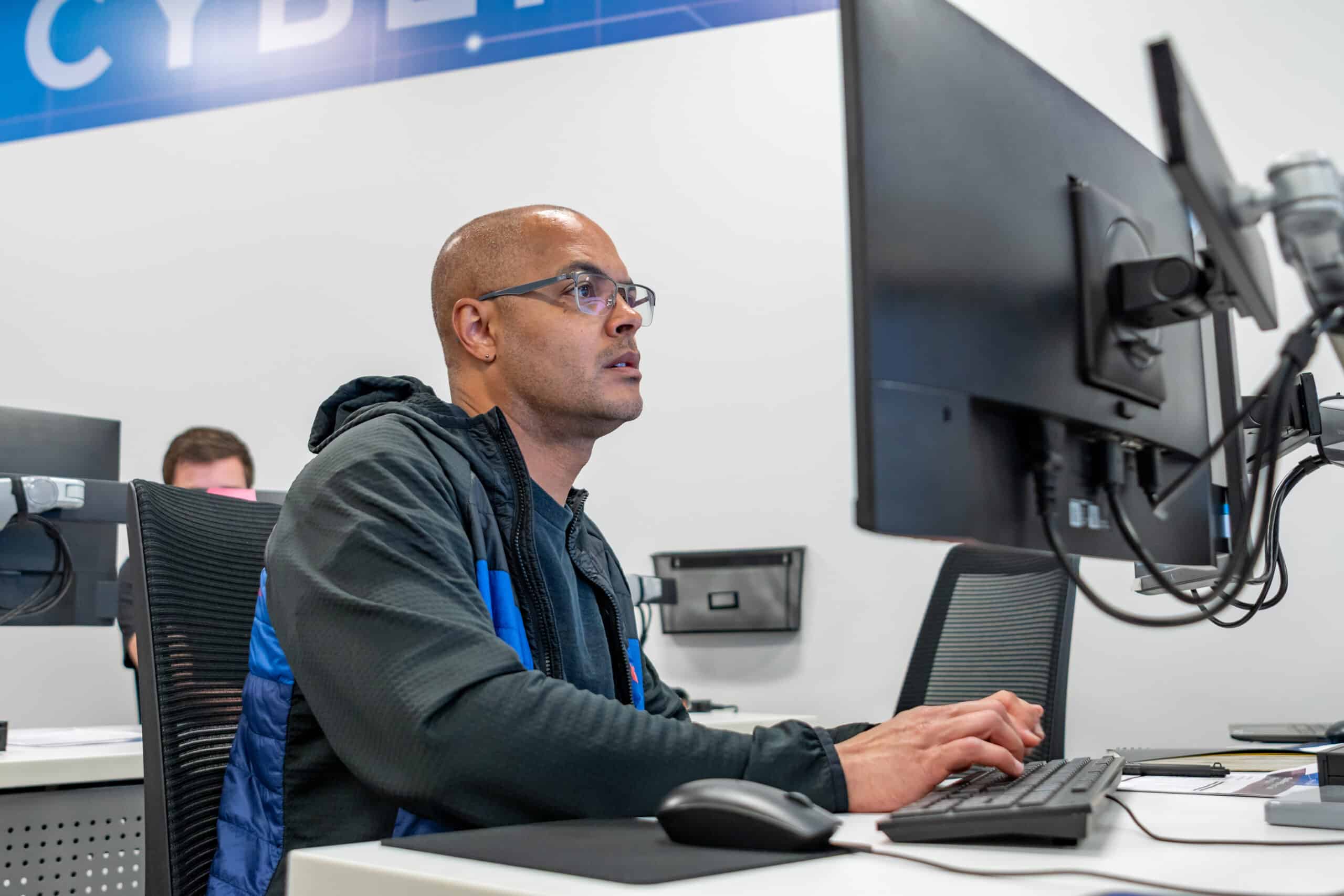
The Cybersecurity Talent Crisis: The Gap Widens
Even as threats evolve, the cybersecurity workforce is struggling to keep up. Demand for cybersecurity professionals has outpaced supply for over a decade, but AI-driven threats have widened the gap dramatically.
This shortage leaves employers struggling to fill essential roles in:
- Threat detection and incident response
- Cloud and hybrid-environment security
- AI-enhanced threat analysis
- Identity and access management
- Governance, risk, and compliance
Yet open cybersecurity roles remain vacant for months, sometimes years, placing immense strain on existing security staff and creating dangerous vulnerabilities for organizations.
With AI accelerating the scale, speed, and sophistication of attacks, the need for skilled cybersecurity talent is outpacing traditional education pipelines.
Why Apprenticeship Is the Breakthrough Employers Need
Cybersecurity Apprenticeships offer employers a faster, more reliable way to build strong security teams, especially when filling early-career and mid-level roles.
Unlike traditional hiring pathways, Cybersecurity Apprenticeships allow employers to:
Build talent based on real workforce needs
Apprentices are trained in practical, job-aligned skills, not outdated curricula. Instead of competing for a small pool of traditionally credentialed candidates, employers can develop cybersecurity professionals who are ready to contribute on day one.
Future-proof your team against evolving threats
Because apprenticeships are hands-on and competency-based, talent can adapt more quickly to emerging technologies, like AI-driven attack detection, automation tools, and cloud-first security architectures.
Diversify and expand your cybersecurity pipeline
Apprenticeship programs draw from high-potential talent pools, recruiting and preparing candidates who are often overlooked in conventional hiring models. This expands talent pools, strengthens team diversity, and supports long-term workforce development.
Reduce turnover and strengthen retention
Apprentices grow within the organization, gaining institutional knowledge, professional coaching, and real-world experience. This produces loyal, long-term team members who stay and grow.
Why Cybersecurity Apprenticeships Make Sense Now
The stakes for employers have never been higher. As cybercrime becomes increasingly automated and pervasive, organizations must adopt new strategies to build skilled, adaptable cybersecurity teams.
Cybersecurity Apprenticeships offer an effective and powerful combination of:
- Speed
- Scalability
- Cost-effectiveness
- Invaluable real-world experience
- Future-ready workforce resilience
They allow employers to get ahead of threats, not just react to them, and create a sustainable pipeline of cybersecurity professionals equipped for the realities of today’s AI-driven landscape.

ActivateWork Apprenticeships: A Winning Talent Solution with Unmatched ROI
At ActivateWork, we help employers stay ahead of the threat landscape by developing skilled, job-ready tech professionals through industry-aligned training, curated matching, and professional coaching. Our apprenticeship pathways—including cybersecurity, IT support, data analytics, and software development—are built to meet the evolving technical needs of modern teams.
Our employer-ready Registered Apprenticeship Programs, approved through Apprenticeship Colorado, can be easily deployed by businesses to hire, train, and retain tech talent without the cost or complexity of starting from scratch. You gain a proven model that works, with hands-on support every step of the way, so you can focus on growing your business while we help your apprentices grow into high-performing team members.
Employers see a strong, measurable ROI through apprenticeship, and the financial upside is significant. Through available state tax credits and federal grant programs*, ActivateWork can help employers access up to $20,600 per apprentice in financial incentives that reduce the cost of hiring and developing new cybersecurity talent, all while benefiting from a proven, lower-risk model for onboarding emerging professionals.
Connect With Us to Launch Your Apprenticeship Program
If your organization is feeling the pressure of the cybersecurity talent gap, or simply wants a more reliable, cost-effective way to build tech capacity, our Talent Solutions team is ready to help you explore the cybersecurity apprenticeship model and determine the best pathway for your workforce needs.
*ActivateWork’s programs are funded in part by the U.S. Department of Labor’s Employment and Training Administration through the Apprenticeship Building America (ABA2) grant program. This content was created by ActivateWork and does not necessarily reflect the official position of the U.S. Department of Labor.
Ready to Build a Talent Pipeline You Can Count On?
Let’s build the next generation of cybersecurity talent—together.
Reach out to our team to explore Cybersecurity Apprenticeship pathways tailored to your business needs.